
The veterinary landscape in India is transforming rapidly. Gone are the days when a veterinarian was solely a general practitioner treating every animal from a household pug to a dairy cow. With the booming pet care industry in urban centers and the massive corporatization of the dairy and poultry sectors, the manner in which specialized veterinary care is delivered has evolved significantly.
If you are pursuing your BVSc & AH (Bachelor of Veterinary Science and Animal Husbandry) or are a recent graduate looking to carve out a niche, pursuing a Master of Veterinary Science (MVSc) is the established path to professional advancement.
But which specialization should you choose? Let’s break down the top veterinary specializations in India, how to pursue them, and what you can expect in terms of salary, skills, and career growth.
How to Pursue a Veterinary Specialization (MVSc) in India
The process of becoming a veterinary specialist in India follows a structured academic and regulatory framework:
- Undergraduate Qualification: Candidates must successfully complete the five-and-a-half-year Bachelor of Veterinary Science and Animal Husbandry (BVSc & AH) degree. This program, which includes a mandatory one-year rotating internship, must be undertaken at an institution recognized by the Veterinary Council of India (VCI).
- Competitive Entrance Examinations: Admission to postgraduate programs is strictly merit-based. Eligible candidates must qualify for the ICAR AIEEA (PG), conducted by the National Testing Agency (NTA), to secure seats under the All-India Quota. Additionally, several states conduct their own entrance examinations (such as UP CATET or Rajasthan Pre-PG) for seats within state-affiliated agricultural and veterinary universities.
- Postgraduate Degree (MVSc): The Master of Veterinary Science (MVSc) is a two-year full-time residential program. The curriculum is bifurcated into one year of advanced coursework followed by one year dedicated to original research and the submission of a master’s thesis in a chosen field of specialization.
1. Veterinary Surgery & Radiology
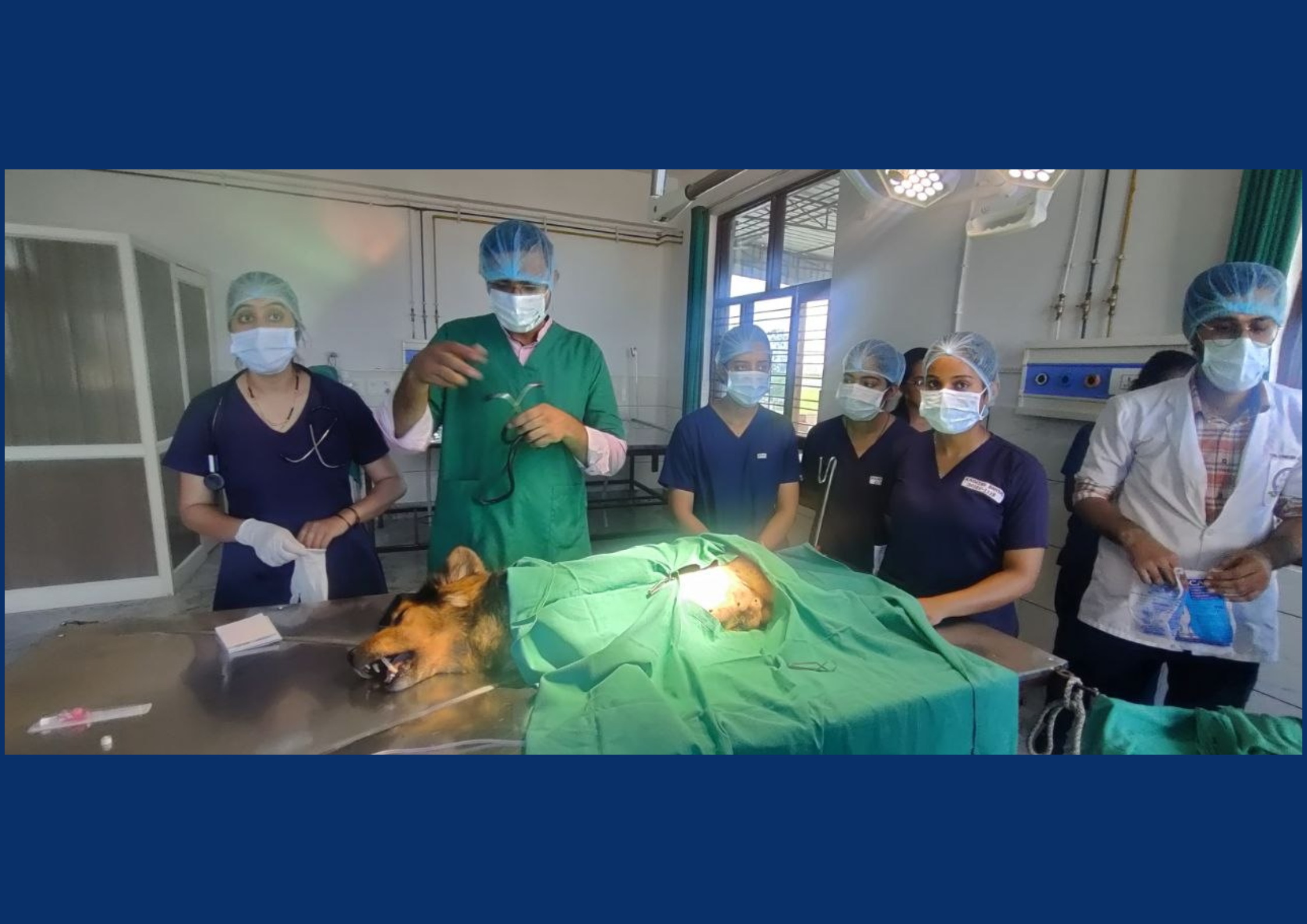
This is often considered the most glamorous and highly sought-after specialization, especially in metro cities like Mumbai, Delhi, and Bengaluru. Specialists here handle everything from soft-tissue surgeries to complex orthopedic procedures and diagnostic imaging (X-rays, ultrasounds, MRI).
- Skills Required: Steady hands, physical stamina, quick decision-making under pressure, and technical proficiency with medical machinery.
- Pros: Highly lucrative in urban private practice; immense respect and job satisfaction when saving critical patients.
- Cons: High-stress environment; long, unpredictable hours, and emergency on-call duties.
- Career Growth: You can open a high-end multi-specialty pet hospital, become a chief surgeon at corporate veterinary clinics, or work in academia.
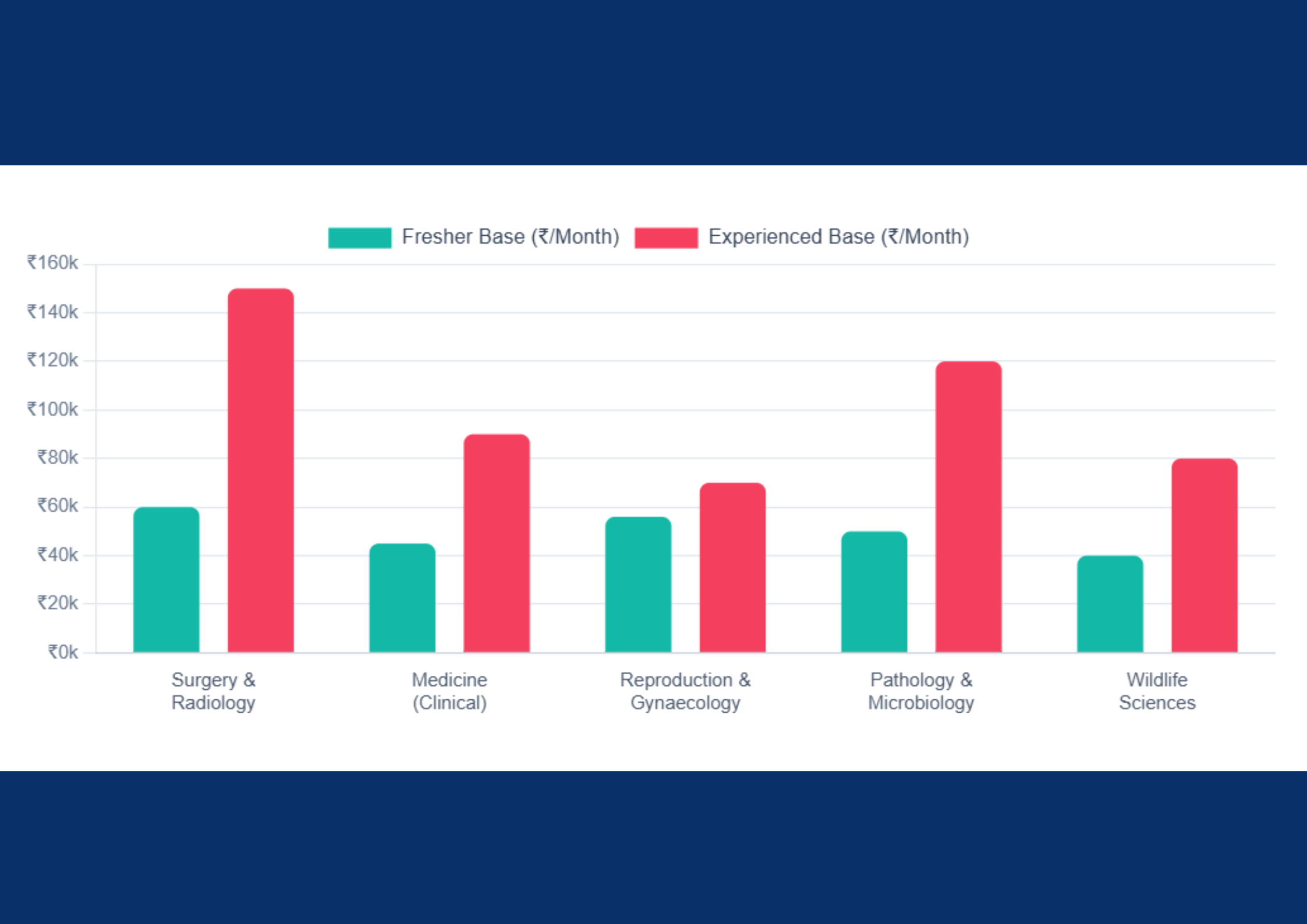
- Salary Expectations: * Fresher: ₹60,000 – ₹85,000 per month (Indeed India).
- Experienced / Clinic Owner: ₹1.5 Lakh – ₹3 Lakh+ per month (6figr / AmbitionBox).
2. Veterinary Medicine (Clinical)
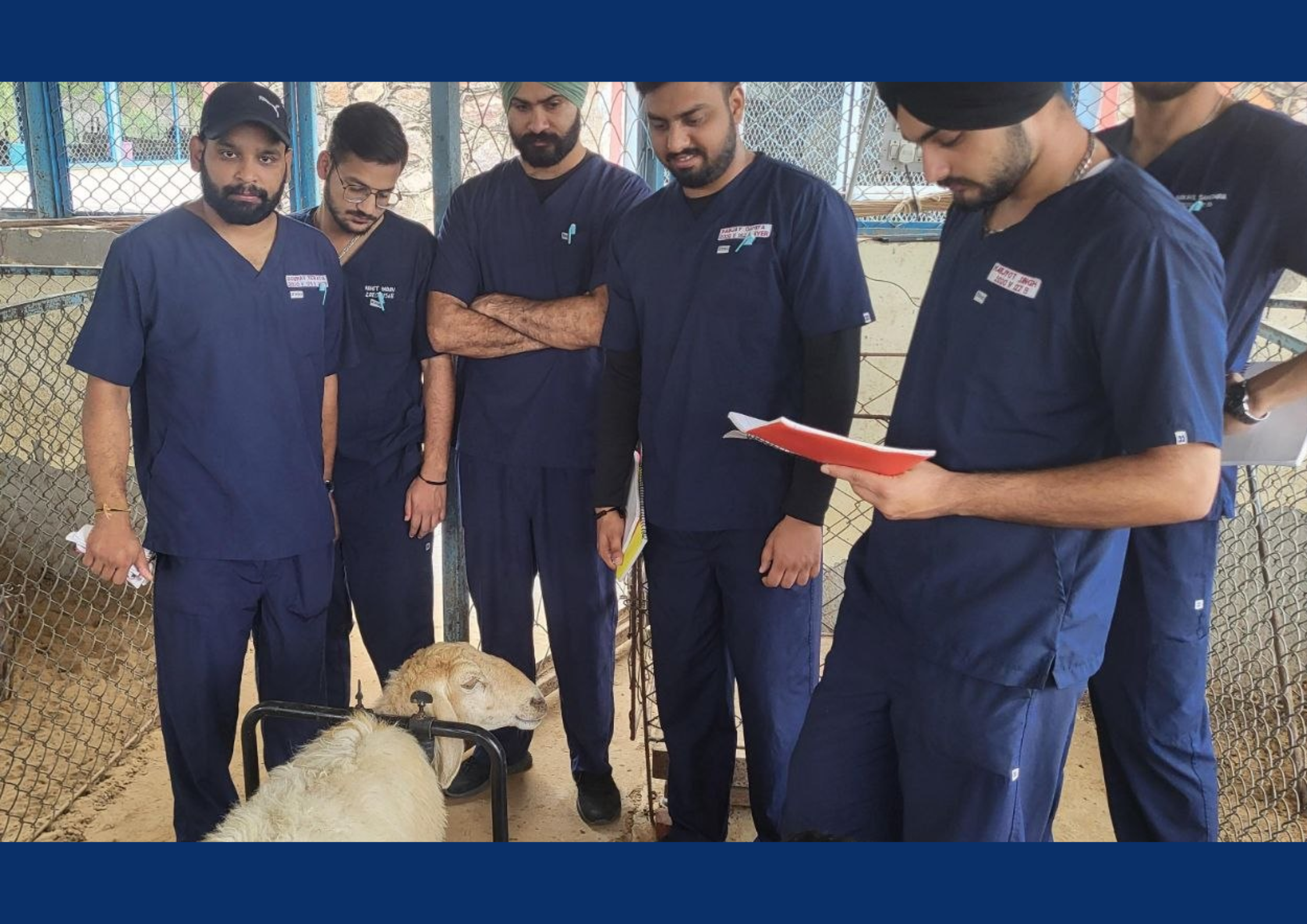
A specialist in veterinary medicine is the "internal medicine" expert. They diagnose and treat complex systemic diseases, manage chronic illnesses (like kidney or heart disease), and handle intensive care cases.
- Skills Required: Exceptional analytical and diagnostic skills, patience, empathy, and strong communication skills to counsel pet parents.
- Pros: Wide variety of cases keeps the work intellectually stimulating; constant interaction with animals and their owners.
- Cons: Can be emotionally draining, especially when dealing with terminal illnesses.
- Career Growth: High demand in private companion animal clinics, corporate pet care chains, and academic/research roles.
- Salary Expectations: * Fresher: ₹45,000 – ₹65,000 per month (PayScale India).
- Experienced: ₹90,000 – ₹1.8 Lakh+ per month (AmbitionBox / ERI).
3. Animal Reproduction, Gynaecology & Obstetrics (Theriogenology)
India is the world's largest milk producer, making this specialization an absolute powerhouse. These specialists deal with fertility issues, artificial insemination, embryo transfer technology, and pregnancy-related complications in livestock and pets.
- Skills Required: Physical strength (working with large animals like cows and buffaloes can be physically demanding), deep knowledge of endocrinology, and patience.
- Pros: Excellent government job opportunities; high demand in the rural and corporate dairy sectors.
- Cons: High physical risk working with large livestock; postings are often in rural or semi-urban areas.
- Career Growth: Government Veterinary Officer, consultant for large-scale dairy farms, or specialist in equine (horse) breeding studs.
- Salary Expectations: * Govt Sector (Level 10): ₹56,100 – ₹1,77,500 (Base Pay) + Allowances (7th CPC Pay Matrix).
- Private/Corporate Consulting: ₹70,000 – ₹2.5 Lakh+ per month (IIVER Industry Insights).
4. Veterinary Pathology & Microbiology
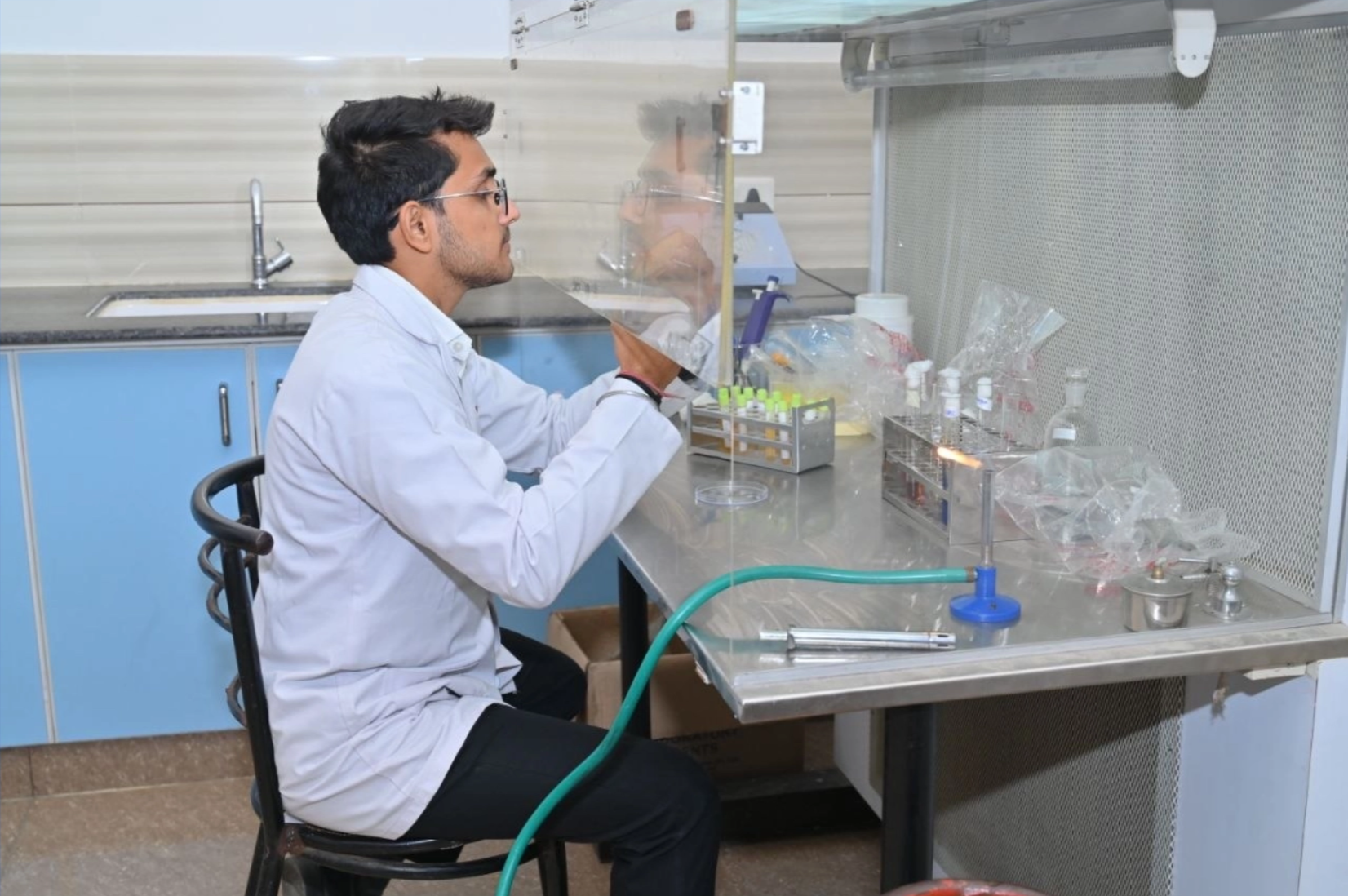
If you prefer the laboratory over the examination table, this is for you. Pathologists and microbiologists are the "detectives" of the veterinary world, studying blood, tissues, and bodily fluids to diagnose diseases, formulate vaccines, and track disease outbreaks.
- Skills Required: Keen attention to detail, strong analytical mindset, and proficiency in laboratory techniques.
- Pros: Predictable work hours; less physical risk; highly intellectual work.
- Cons: Very little direct interaction with live animals; behind-the-scenes work.
- Career Growth: Tremendous opportunities in pharmaceuticals, vaccine manufacturing companies (like Indian Immunologicals), diagnostic labs, and research institutes (like IVRI).
- Salary Expectations: * Fresher (Pharma/Corporate): ₹50,000 – ₹75,000 per month (Glassdoor / Bayer Careers).
- Experienced/Corporate Scientist: ₹1.2 Lakh – ₹3 Lakh per month (AmbitionBox).
5. Wildlife Sciences & Health Management
For those who dream of the wild, this niche specialization focuses on the rescue, rehabilitation, and conservation of wild animals, as well as zoo animal management.
- Skills Required: High adaptability, courage, physical fitness, darting (tranquilizing) skills, and knowledge of diverse exotic species.
- Pros: Thrilling and adventurous work environment; direct contribution to global conservation efforts.
- Cons: Lower starting pay compared to private practice; high physical risk; jobs can be scarce and highly competitive.
- Career Growth: Wildlife veterinarian for NGOs (like WTI or WWF), forest department roles, or Zoo Veterinarian.
- Salary Expectations: * NGO/Entry Level: ₹40,000 – ₹60,000 per month (WTI / Indeed Job Listings).
- Senior Specialist: ₹80,000 – ₹1.5 Lakh per month (ERI SalaryExpert).
Which Path is Right for You?
Choosing a specialization ultimately comes down to your personality and long-term goals.
- If you want financial growth and love the fast-paced city life, Surgery or Clinical Medicine are your best bets.
- If you seek government stability and want to uplift the agricultural sector, Gynaecology or Animal Nutrition is the way to go.
- If you are driven by research and corporate growth, look into Pathology or Microbiology.
The Indian veterinary sector is expected to grow exponentially over the next decade. By honing your skills and choosing a specialization that aligns with your passion, you can ensure a rewarding, respected, and highly successful career in animal health!

.jpg)