.jpg)

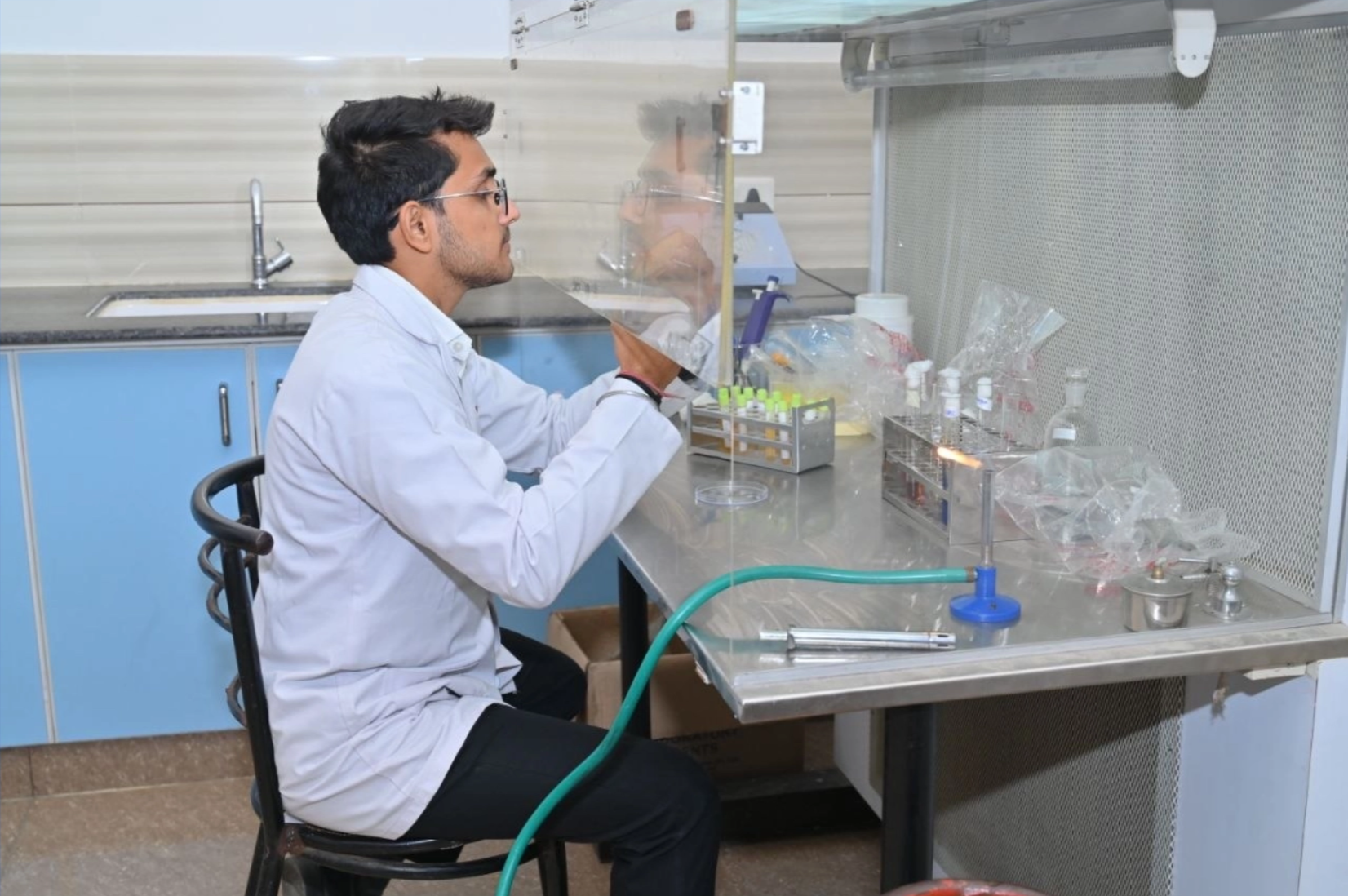
Surviving veterinary school requires more than just caffeine and late-night study sessions; it requires the right tools to manage an overwhelming amount of information.
From memorizing the intricacies of the equine distal limb to calculating precise emergency drug dosages on a cat, technology is your best ally.
Here is a list of the most useful websites and apps for veterinary students today.
Top 3 Clinical References
Every vet student should have these three resources bookmarked or downloaded. They are the gold standards for clinical rotations and board prep.
The Merck/MSD Veterinary Manual (App & Website)
- The "bible" of veterinary medicine. It provides clear explanations for thousands of conditions across all body systems.
- Best Feature: It’s completely free, regularly updated by experts, and includes interactive case simulations.
Link : https://www.merckvetmanual.com
Plumb’s Veterinary Drugs
- The essential guide for pharmacology. It’s the industry standard for drug dosages, interactions, and adverse effects.
- Best Feature: The "Drug Interaction Checker" is a lifesaver during clinical rotations.
Link : https://plumbs.com
Veterinary Information Network (VIN)
- A massive community and database for vets.
- Best Feature: Registration is free for veterinary students. Access the "VVDH" (VIN Veterinary Drug Handbook) and join specialist forums.
Link : https://www.vin.com
Anatomy & Pathology Visualizers
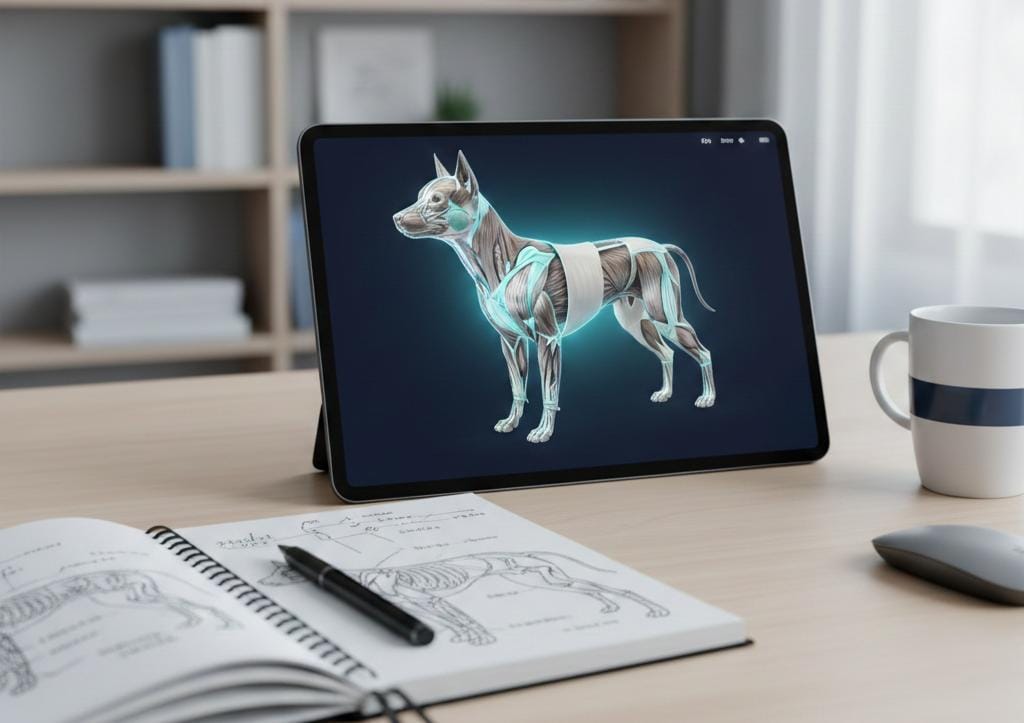
Visualizing 3D structures from 2D textbook images is one of the hardest parts of first-year vet school. These tools make it intuitive.
vet-Anatomy (by IMAIOS)
- An incredible veterinary anatomy atlas based on medical imaging (CT/MRI) and cadaver slices.
- Best Feature: Highly detailed radiological anatomy modules covering dogs, cats, horses, and cattle.
Link : https://www.imaios.com
eClinPath (Cornell University)
- High-quality images and explanations for hematology, urinalysis, and cytology.
- Best Feature: High-quality images and explanations for hematology, urinalysis, and cytology.
Link : https://eclinpath.com
Real Bodywork 3D Apps (Dog & Horse Anatomy)
- Interactive 3D apps that allow you to virtually "peel back" layers of anatomy.
- Best Feature: Excellent for 3D spatial understanding before a practical exam.
Link : https*:*//realbodywork.com/mobile-apps-new/
Essential Clinical Calculators

Don't risk manual math errors during high-stress situations. Use these vetted calculators.
VetCalculator
- A robust tool for drug dosages, fluid rates, and CRI calculations.
- Best Feature: Integrated toxicity calculators for chocolate, rodenticide, and xylitol.
Link : https://www.vetcalculators.com
VetPDA Calcs (UC Davis)
- A suite of over 20 useful calculators developed by the UC Davis School of Veterinary Medicine.
- Best Feature: Specialized calculations like bicarbonate dosing and free water deficit.
Link : https://www.vetmed.ucdavis.edu
DVM Calc
- Comprehensive small animal veterinary calculator for clinicians and students.
- Best Feature: Includes detailed information sheets for each specific calculation.
Link : https://apps.apple.com/us/app/dvm-calc/id421661987
Study Aids & Board Prep (NAVLE)

When it comes time to prep for the North American Veterinary Licensing Examination (NAVLE), these tools are non-negotiable.
VetPrep / Zuku Review
- The two titans of board prep. They offer huge question banks and timed practice exams.
- Best Feature: The "VetPrep Guarantee" and Zuku's visual "PowerPages."
Link : https://vetprep.edcet.com | https://www.zukulearning.com
WikiVet
- A collaborative, peer-reviewed "Wikipedia" specifically for veterinary medicine.
- Best Feature: Interactive WikiQuizzes and comprehensive modules on physiology and pathology.
Link : https://en.wikivet.net
Quizlet
- The classic flashcard app.
- Best Feature: Search for pre-made sets from older students at your specific university.
Link : https://quizlet.com/?hl=en-US
Productivity & Organization

Vet school is a marathon of scheduling and note-taking.
Notion
- An all-in-one workspace for notes, databases, and project management.
- Best Feature: The "Education Plus" plan is free for students. Vet students use it to build "Second Brain" databases for clinical cases, track NAVLE study progress, and organize rotation schedules.
Link : https://www.notion.com/product/notion-for-education?hl=en-US
Notability / Goodnotes
- Essential note-taking apps for iPad/Tablet users.
- Best Feature: Handwriting search and the ability to annotate PDF lecture slides directly.
Link : https://www.notability.com | https://www.goodnotes.com
Scribenote (AI Scribe)
- An AI tool that automates medical documentation by transcribing clinical conversations.
- Best Feature: Free for students, allowing you to focus on the patient rather than typing notes.
Link : https://scribenote.com/students
Pro-Tips for Students:
- Check for Student Discounts: Many paid apps like Plumb’s or VetPrep offer significant discounts (or even free access) through your university library or student organizations (like SAVMA).
- Download for Offline Use: Some hospitals have notoriously bad Wi-Fi. Apps like the Merck Manual allow you to download content for offline access, essential for when you’re in a basement imaging suite.
- Start Your VIN Membership Early: Don't wait until fourth year. The resources and student forums on VIN are helpful from day one of your first semester.
Conclusion
The transition from the classroom to the clinic is one of the most challenging phases of any veterinary student's journey. By integrating these digital tools early in your education, you aren't just making your life easier, you're building the efficient, evidence-based habits that define a modern veterinarian.
Whether it's mastering anatomy with 3D visualizers or ensuring patient safety with high-precision calculators, these resources empower you to spend less time digging through textbooks and more time focusing on what truly matters: the health and well-being of your patients.