In veterinary pathology, not every death is meant to be explored with a scalpel. Anthrax and Rabies stand apart as diseases where post mortem examination is avoided because the act of examination itself can threaten lives and public health.
What is Post Mortem examination?
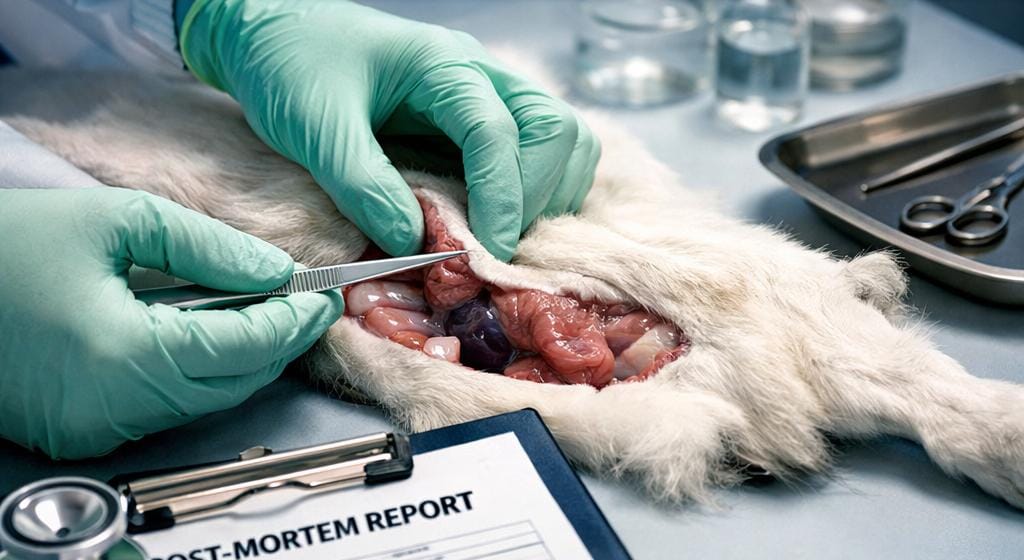
The systematic dissection and critical examination of a cadaver for the study of pathological changes and to determine the cause of death is called Post Mortem examination often referred to as Necropsy in veterinary pathology. It includes external inspection, internal examination of organs, and collection of samples for diagnosis, teaching or research.
Zoonotic diseases and Occupational hazards
- Zoonotic diseases are infections that are naturally transmitted between animals and humans. The word comes from the Greek zoon meaning animal and nosos meaning disease. According to WHO, more than 60% of human diseases originate from animals making zoonosis a major global public health concern.
- Occupational hazards are the hazards rendered to veterinary professionals at their interface with animals. This places them at high risk of exposure to biological, physical, chemical, and psychological hazards.
Two major zoonotic and occupational hazards are rabies and anthrax.
Rabies : risk to veterinary personnel
Rabies is a viral zoonotic disease that affects the central nervous system of mammals. It is one of the oldest and deadliest infectious disease with a 100% fatality rate once clinical signs appear. According to WHO, rabies causes tens of thousands of human deaths each year.
It is caused by Rabies lyssavirus. The virus being neurotropic, targets nerve tissue. Common reservoir animals include dogs, cats, bats, foxes and wolves. It might spread through bite wounds, scratches, saliva entering broken skin or mucous membranes.
Post Mortem is not performed in such cases because:
- Virus is present in nervous tissue and saliva.
- Cutting or handling the brain poses a high risk of aerosol exposure.
- There is no benefit as the disease is already confirmed clinically.
This makes rabies both a public health emergency and a bio safety threat.
Anthrax : risk to environment
Anthrax is an acute zoonotic disease caused by bacterium Bacillus anthracis. It primarily affects herbivores but humans can become infected through contact with infected animals or their products.
What makes Anthrax really dangerous is the ability of its spores to survive in soil for decades being highly resistant to heat, drying and disinfectants.
It might spread through livestock, carcasses of dead animals, contaminated soil, animal products etc. It gets transmitted to humans through cutaneous routes, inhalation, ingestion, etc.
It poses a serious occupational risk to veterinarians, farmers and livestock handlers, animal products industry workers, laboratory personnel etc.
Post Mortem in such cases is strictly prohibited because:
- Exposure of blood to air leads to sporulation.
- Spores contaminate environment permanently.
- Handling carcasses increases risk of inhalation anthrax.
How these can be diagnosed without necropsy ?

Rabies:
- Clinical history.
- Saliva test for viral RNA.
- Corneal impression smear.
- Skin biopsy.
- RT-PCR
- Direct fluorescent antibody test.
- Animal exposure history.
- Brain sampling (avoided unless performed in high-containment labs)
Anthrax:
- Sudden death in healthy animal.
- Bleeding from natural orifices.
- Absence of Rigor Mortis.
- Peripheral blood smear.
- PCR testing.
- Culture (in specialized bio safety labs)
- Ascoli’s thermoprecipitation test.
Why prevention and safety comes first ?
Prevention and safety comes first as risks posed in such cases are irreversible and fatal.
Prevention and Safety measures to be looked after
- Vaccination
- Safe animal handling
- PPE kit
- Immediately wash wound with soap and running water for atleast 15 minutes.
- Post-exposure prophylaxis (PEP)
- No PM in suspected cases.
- Safe disposal of carcasses.
- Environmental and work place hygiene.
In zoonotic diseases like rabies and anthrax, prevention is protection and safety is survival. When treatment ends, precaution begins.

.jpg)