
Learn how dogs and cats digest food, from saliva and stomach acid to the pancreas, gut microbiome, and colon. A practical digestive physiology guide for pet parents and veterinarians.
Introduction
Ever wondered why dogs eat bigger meals than cats? Cats can be very fussy about their food. It is very essential to know about what goes inside your pet to avoid nutritional deficiencies.
Being a pet parent is no longer a cakewalk; you need to have a basic understanding of your pet’s nutrition to improve overall health and avoid severe diseases. Understanding pet nutrition is not only important for pet parents but also for veterinarians, who are often asked, “What can we feed our pet?” Not only this, but the cause of most of the disease is linked to the nutrition the animal consumes.
This blog includes detailed information regarding essential nutritional requirement for your pet, and a comparative study of their digestive system.
Why Dog and Cat Digestion Differ
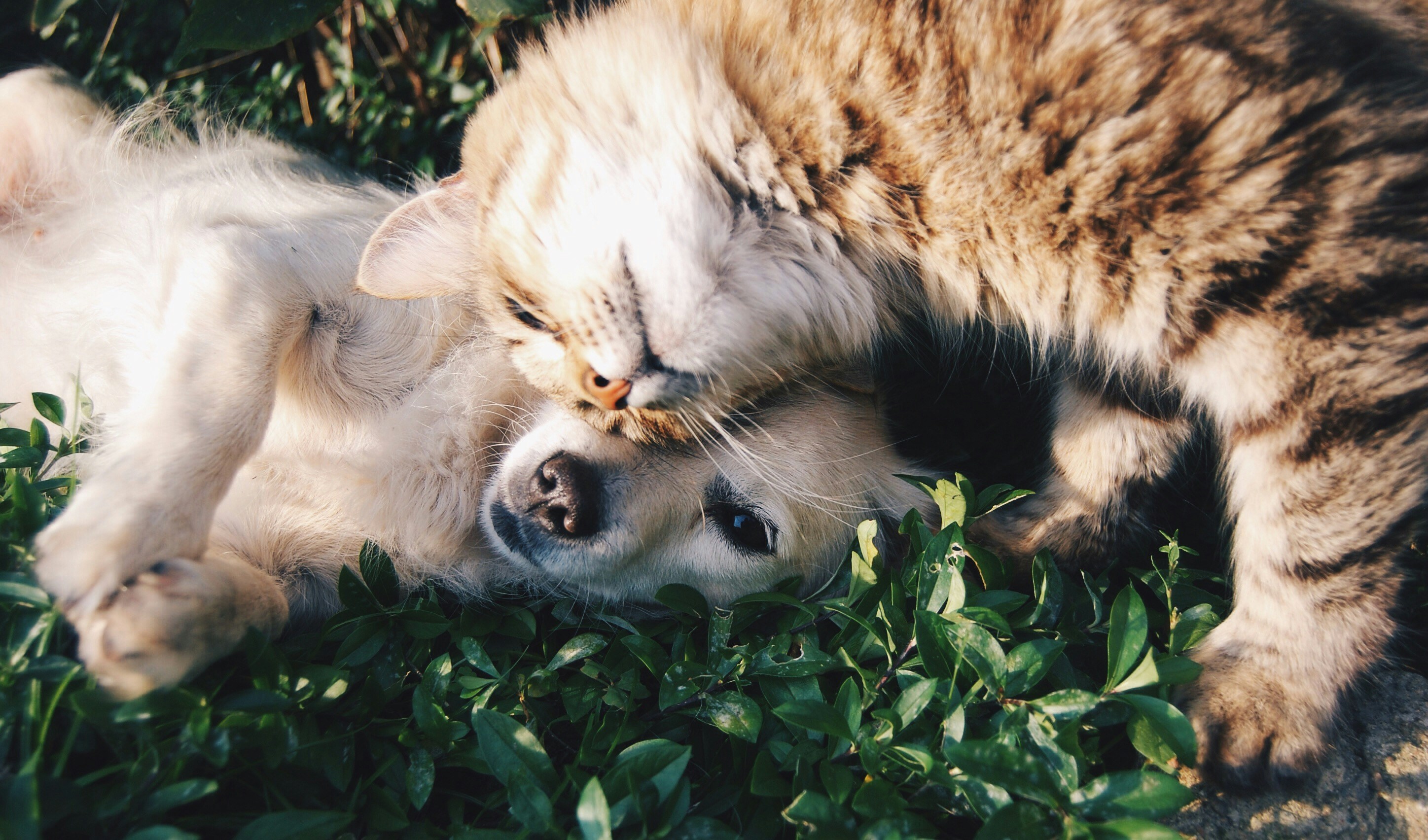
Photo by Krista Mangulsone on Unsplash
Dogs have a comparatively longer intestine than cats. The length of intestine is directly proportional to the duration food stays in the intestine. This implies cats digest food faster; hence they prefer eating smaller portions of food multiple times spread throughout the day, whereas dogs eat larger meals once or twice throughout the day. However, feeding frequency also depends on an animal’s individual needs, age, health, and lifestyle.

Despite the difference in the length of the intestine, the uniformity also varies among both the species. In dogs, the proximal part of the intestine is thinner with distinct gastric glands, whereas the distal part is thicker with less distinct gastric glands. The situation is quite different in the case of cats; it tends to have a uniform intestine throughout.
The gastric mucosa of both dogs and cats is differentiated into three major parts, such as the narrow band of cardiac glandular mucosa and the wide band of proper gastric and pyloric glandular mucosa. The cardiac and pyloric parts secrete mucus and bicarbonate. And the proximal stomach is responsible for the secretion of HCL and pepsinogen.
Apart from this, the caecum of dogs is also coiled more than the caecum of cats.
Mouth and Saliva: Digestion Begins Before the Stomach
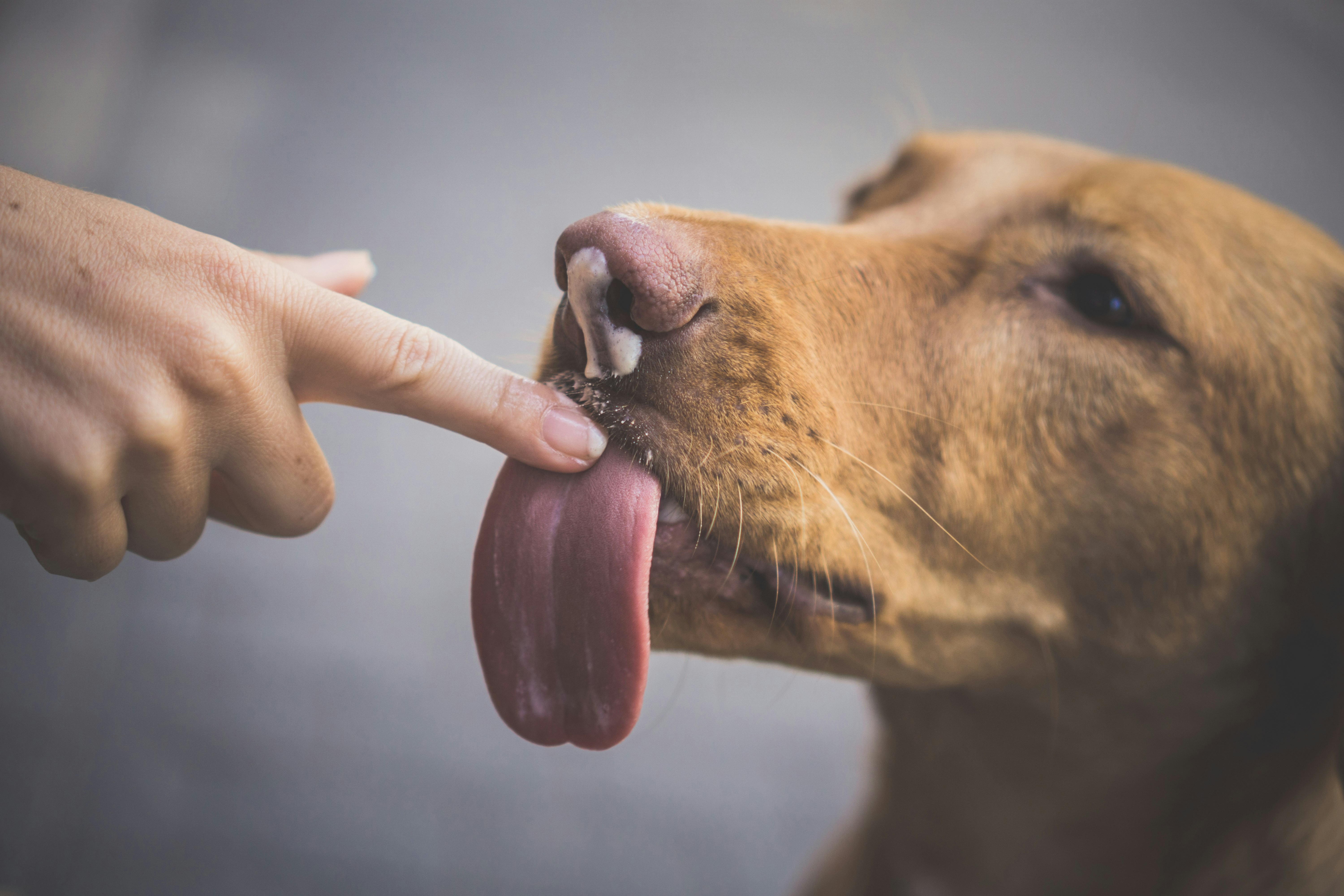
Photo by Chris Slupski on Unsplash
Digestion in dogs and cats begins in the mouth but varies differently from humans. Saliva secreted by dogs and cats does not have salivary amylase, unlike humans, so the starch digestion does not start in the mouth in these species. That's why properly processed carbohydrates are easier for pets to digest than raw starches, and sudden diet changes can still overwhelm the gut because enzymatic adaptation takes time.
Salivary glands are of four types, such as
- Parotid gland situated in front of ears and secreting serous substance at around 0.14-1.40 ml/min.
- Submandibular/Maxillary gland situated at the side of the lower jaw and secreting mucous substance at 0.20-3.84 ml/min.
- Sublingual gland, which secretes mucus and is situated below the tongue.
- Zygomatic gland, which is present below the eye in the upper jaw.
The type of food and the type of moisture content in the food depict the volume of saliva secreted from these glands.
Saliva is composed of sodium (Na), potassium (K), and chlorine (Cl) from plasma and bicarbonate secreted from the glandular cells. The pH of dog saliva varies from 7.34 to 7.80, and cat saliva pH is 7.5.
Dogs’ saliva also has a non-digestive function; it causes evaporative cooling, and upon the stimulation of parasympathetic nerve stimulation, it secretes mucus around 10x more than humans.
Esophagus and Stomach: Storage, Acid, and Protein Digestion
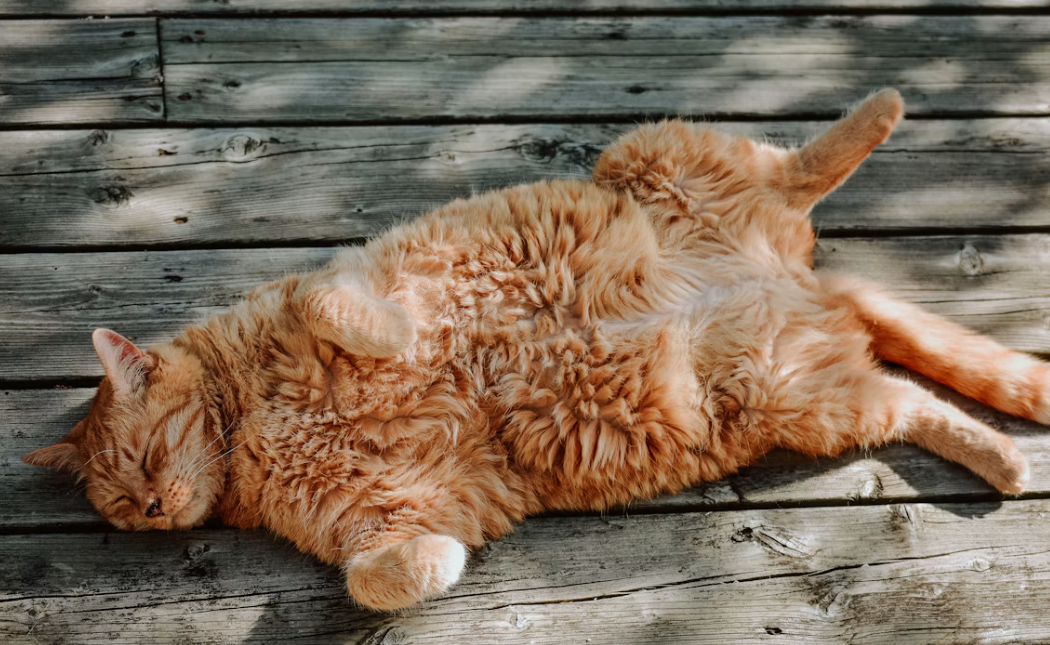
Photo by Jacalyn Beales on Unsplash
As mentioned earlier, dogs and cats have different feeding habits; dogs are meal feeders, and they store meals in their proximal stomach, which expands temporarily.
This difference has practical feeding implications:
- Dogs may do well with structured meal feeding, especially in multi-pet households.
- Cats often benefit from multiple small meals or puzzle feeders that mimic natural hunting behaviour.
- Free-feeding can contribute to obesity in either species if calorie intake is not monitored.
The stomach has a pacemaker like we have in our heart in the centre, which generates contractions in the distal part. The stomach is also responsible for the secretion of HCL and pepsinogen. The first step of digestion starts here.
Main enzyme responsible for digestion in dogs are pepsin and lipase. Enzymes are active only in optimised pH, which is pH 4 for lipase. At pH 4, lipase acts 13 times more actively than triglycerides.
The stomach is inactivated below the pH of 1.5 heart in the pH centre; even at a pH of 6, there is a significant decrease in the stomach.
Fat digestion is efficiently performed in the small intestine in the presence of pancreatic lipase instead of gastric lipase.
Even the anticipation of food triggers secretion of these enzymes; that is referred to as 'sham feeding', in which seeing and smelling food stimulates the vagus nerve and leads to an increase in gastric secretion by fourfold.
The main enzyme is adrenocorticotropic hormone (ACTH), which is most active at pH 2 and is maintained by HCl.
Gastric secretion depends on the amount of protein above the meal; at a meal, hormones significantly decrease gastrin (HCl decreases).
Small Intestine, Pancreas, and Liver: Where Absorption Happens
The small intestine carries out the main digestive action in an alkaline environment, unlike the stomach, which requires an acidic pH. In a dog of 20 kg, the small intestine absorbs around 30 L of fluids daily, among which the jejunum absorbs 50%, the ileum 40%, and the large intestine 10%.
Pancreatic juice, which contains bicarbonates, is responsible for increasing the pH of the small intestine, since an alkaline environment is required for the enzymes of the small intestine to work.
Enzymes required for digestion in the small intestine are proteases, lipases, and amylases. Which are responsible for protein, lipid, and starch digestion.
The pancreatic juice is regulated by secretin and cholecystokinin.
In the case of dogs, pancreatic juice has antibacterial properties and is resistant to degradation against proteases. It shows the properties of bactericidal against E. coli, Shigella, Salmonella, and Klebsiella and bacteriostatic against Staphylococcus and Pseudomonas. Also responsible for the inhibition of growth of Candida albicans.
Cats have a higher bacterial load in their small intestine than dogs.
The important aspect for pet parents to consider is that excessive heat processing of the cat food can lead to reduction of digestibility, which in turn leads to deficiency of taurine. This is important since taurine deficiency is very common among cats.
The Large Intestine: Water, Electrolytes, and Fermentation
The anatomy of the large intestine comprises three parts: the caecum, colon, and rectum, which contains crypts of Lieberkühns, which contain mucus secretion. Food remains undigested for around 12 hr in the large intestine.
The proximal part of the colon is responsible for maximum water absorption and fiber activity, which includes mixing and propulsion.
The large intestine of dogs and cats has three major jobs:
- Absorb water and electrolytes.
- Provide an environment for microbial fermentation.
- Form, store, and evacuate faeces.
The mucus is alkaline because it contains bicarbonate. It protects the intestinal lining from mechanical and chemical injury, lubricates faeces for easier passage, and helps neutralise acids produced by bacterial fermentation.
What gut bacteria ferment
Colonic microbes ferment nutrients and secretions that escape small-intestinal digestion, including:
- Resistant starch
- Non-starch polysaccharides and dietary fibre
- Unabsorbed sugars and oligosaccharides
- Dietary protein
- Endogenous enzymes
- Intestinal mucus
Fermentation produces short-chain fatty acids (SCFAs), mainly acetate, propionate, and butyrate, as well as lactate, carbon dioxide, and hydrogen gas. Other fermentation products can include ammonia, hydrogen sulfide, methane, branched-chain fatty acids, amines, phenols, and indoles.
Carbohydrate fermentation tends to dominate in the proximal colon, while protein fermentation is more prominent in the distal colon. This pattern is important because excessive protein fermentation can produce more potentially irritating compounds, while well-fermentable fibre supports beneficial SCFA production.
Why butyrate matters
SCFAs are not waste products. They provide energy to colon cells, stimulate water and sodium absorption, support mucosal growth, and strengthen the intestinal barrier. Butyrate is especially important: canine colonocytes oxidise butyrate at a rate approximately 4.5 times greater than glucose, making it a preferred fuel for the colonic epithelium.
SCFAs also stimulate glucagon-like peptide 2, which supports mucosal growth and nutrient transporter expression. Improved mucosal growth and barrier function may reduce bacterial translocation and support gut immune regulation.
Practical Feeding Advice for Pet Parents
- Choose a diet labelled complete and balanced for your pet’s life stage.
- Transition foods gradually over 7–10 days to reduce gastrointestinal upset.
- Feed cats multiple small meals when possible.
- Avoid unbalanced homemade or vegetarian diets, especially for cats.
- Do not interpret a shiny coat or good appetite as proof of optimal nutrition.
- Monitor stool quality, body weight, body condition score, and energy levels.
- Seek veterinary advice for persistent vomiting, diarrhoea, weight loss, poor appetite, constipation, or blood in stool.
Key Points for Practicing Vets and Students
- Dogs and cats differ in gut length, feeding behaviour, gastric emptying, pancreatic function, and nutrient requirements.
- Cats require dietary taurine; intestinal bacterial activity and diet processing can influence taurine availability.
- The large intestine is central to water and electrolyte absorption, SCFA production, stool formation, and gut immune function.
- Butyrate is a major energy source for colonocytes and supports mucosal health.
- Fibre can be therapeutic, but fibre type and dose should be selected based on the clinical problem.
- Digestibility is affected by formulation, processing, age, breed, and feeding management, not just the label.
Conclusion
Dogs and cats digest food differently because their bodies evolved for different diets. Dogs are adaptable omnivores with longer digestive tracts, while cats are obligate carnivores with shorter tracts and a strict need for nutrients such as taurine.
Every stage of digestion matters, from saliva and stomach acid to pancreatic enzymes, intestinal absorption, and fermentation in the large intestine. A complete, balanced diet, gradual food transitions, and attention to stool quality and body condition all support lifelong digestive health.
Concerned about your pet’s digestion, stool, appetite, or weight? Book a nutritional consultation with your veterinarian and choose a diet tailored to your dog or cat’s needs.