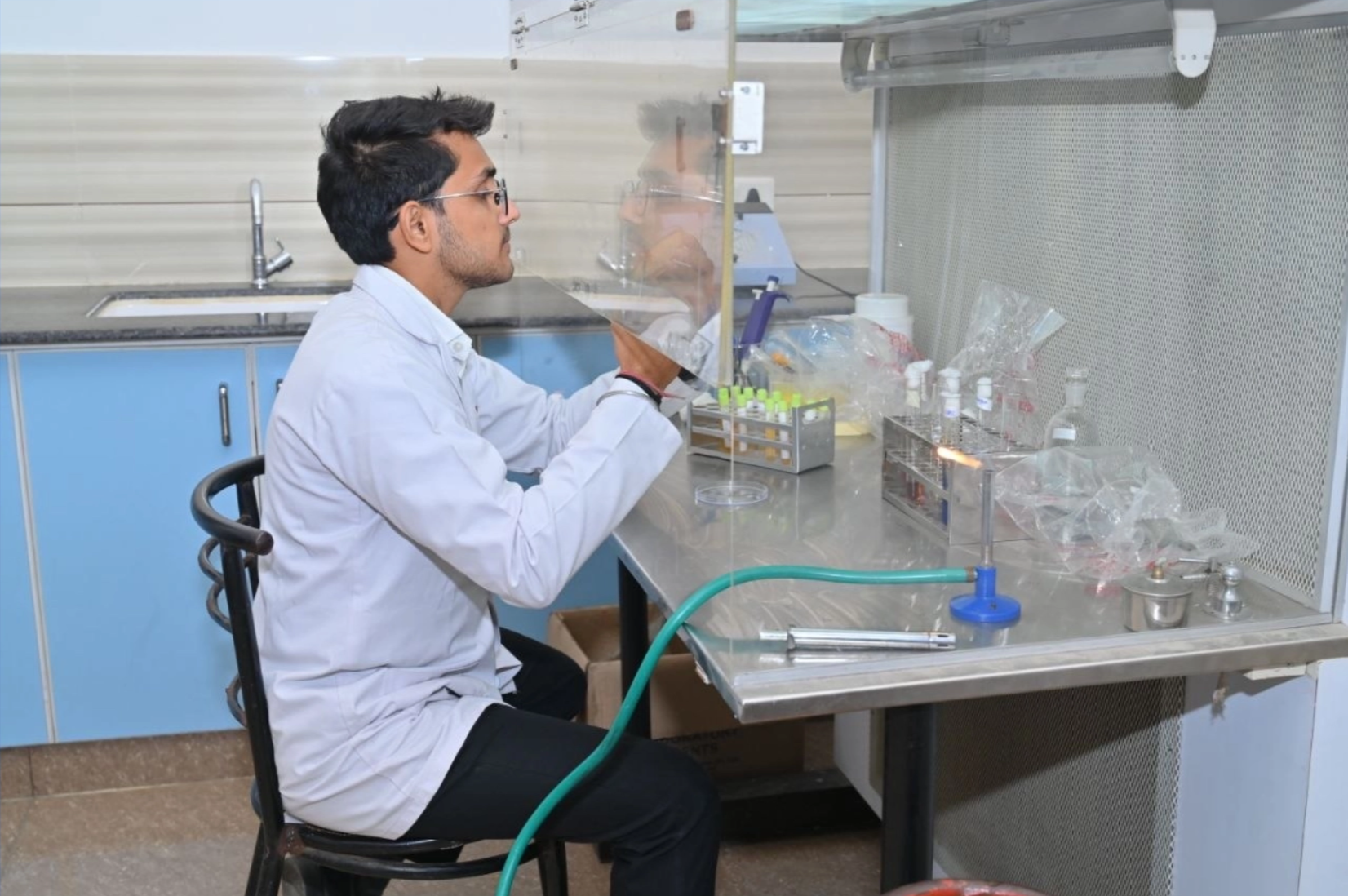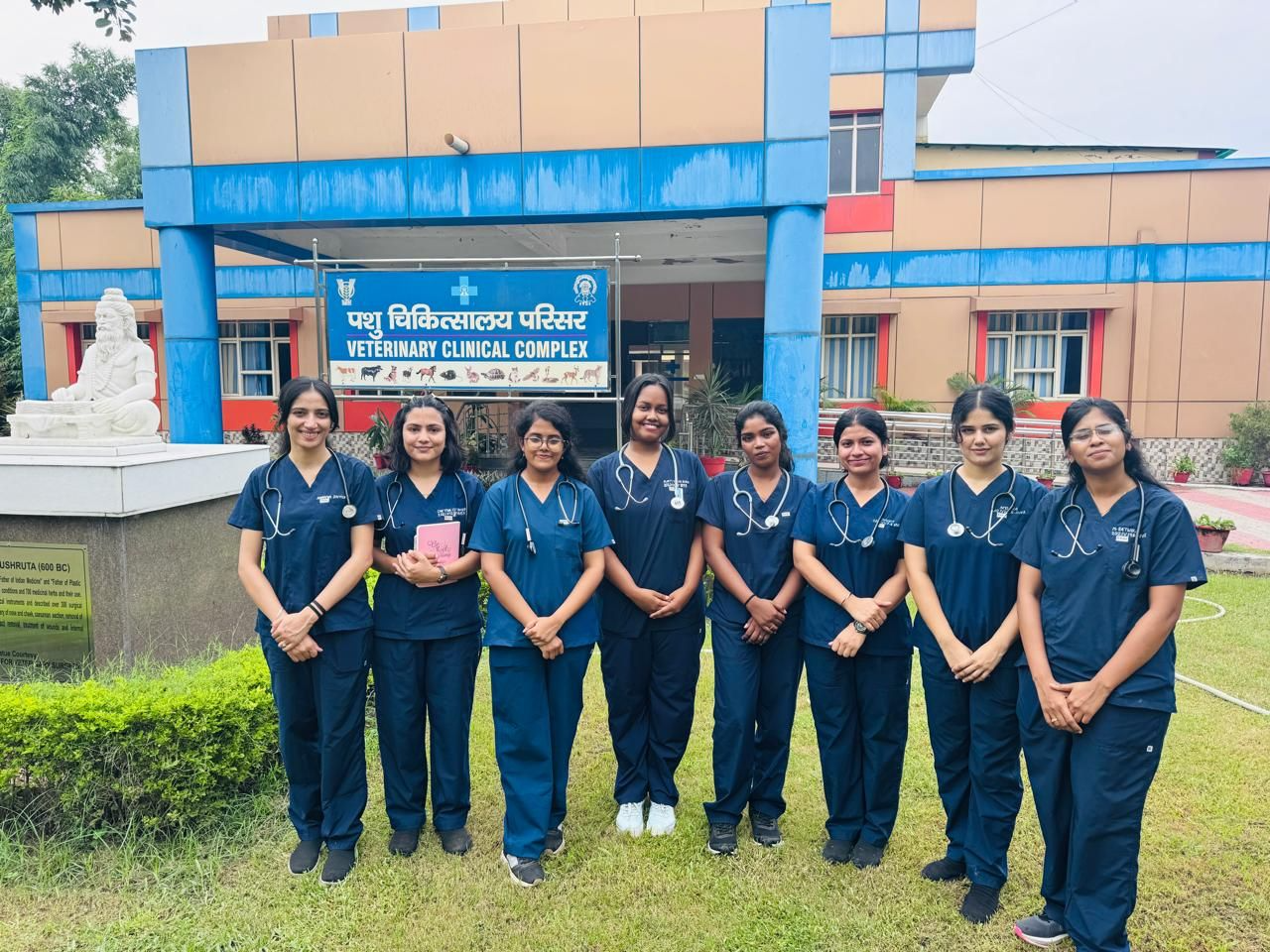
Every year our internship students have the opportunity to explore various elite institutions, growing industries and hospitals through extensive externship programmes. Unlike other veterinary institutions, IIVER offers a wide range of externship stations, covering around eight internship rotations. Students acquire hands-on learning expertise and exposure to diversified networking with students all over the country and working professionals. This blog covers all the aspects of the internship at IVRI, Bareilly, one of India’s renowned institutions for veterinary science.
Understanding the IVRI Internship Structure
The internship rotation began with a brief orientation by the clinic coordinator, Dr A M Pawde, and the internship coordinator, Dr Ujjwal Kumar De. Interns were further assigned duties in Medicine, Surgery, Gynaecology and Lab Departments. It was an extensive work schedule which began sharp at 9 am and ran till 5 pm, with an hour of lunch break.
During these hours, interns are expected to be attentive to incoming cases under the assistance of the PhD doctors at IVRI. Punctuality is much appreciated in places like IVRI, and intense presence of mind since you have to handle multiple cases at one go.
Exploring Veterinary Science Across IVRI Departments
Interns rotated among four major departments in IVRI which included Surgery, Medicine, Gynaecology and Lab.
Surgery OPD: Learning Through Real Cases
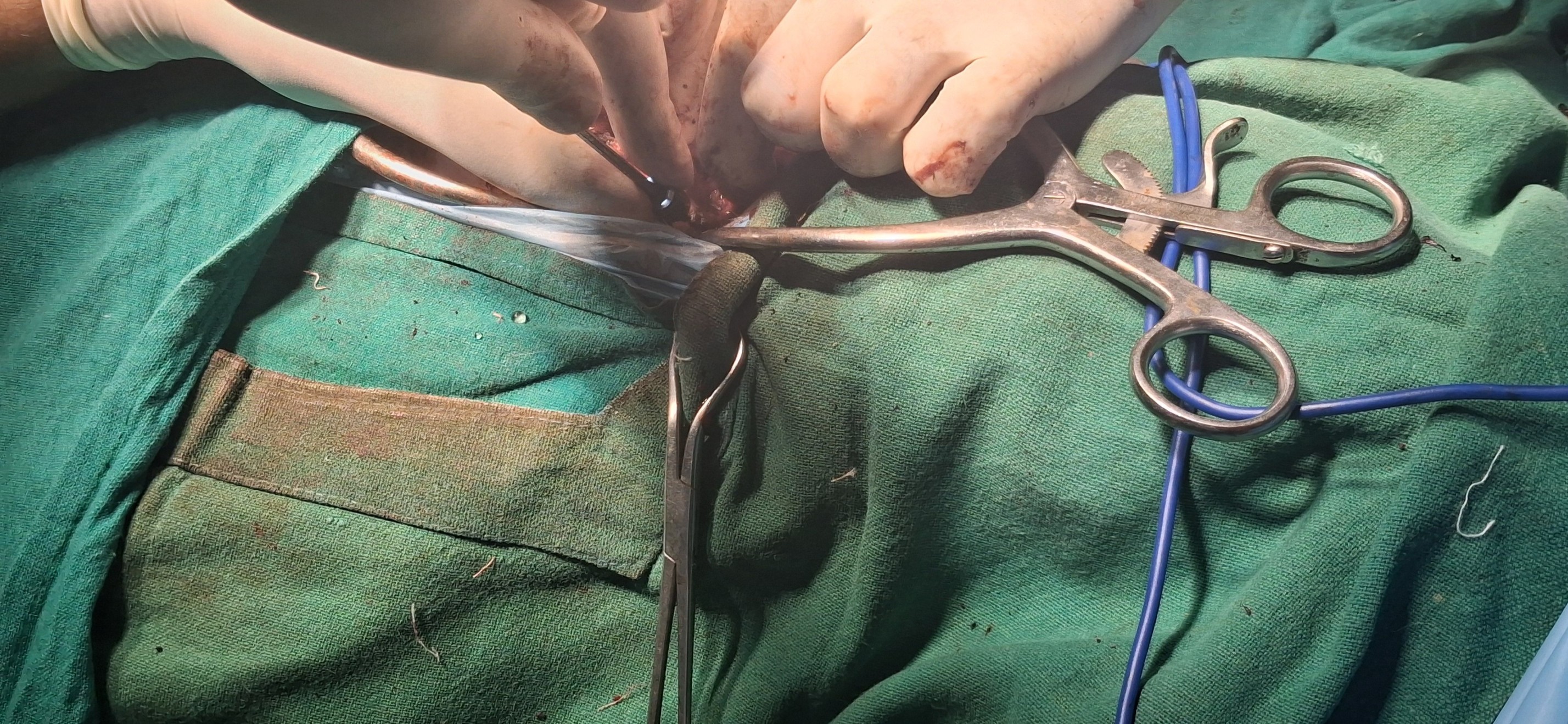
The Surgery Department was the most mentally challenging part of the rotation. With the arrival of each case, interns were expected to take the animal’s history, followed by recording its vital parameters, including rectal temperature, mucous membrane, heart rate, and a general physical examination.
Cases like fracture were common, which upon physical examination, were further sent for radiographic examination. If the fracture is confirmed, interns were expected to do wound dressing and plaster with the help of the attendant. Further, dog and cat bites were also in significant numbers, which required wound management with courses of antibiotics.
Wound healing was also supported by an advanced research material being used by the Surgical Department for skin healing. The material was composed of a specialised collagen-based formulation, giving interns an opportunity to observe how ongoing research can be translated into clinical applications.
Minor surgeries such as Tube cystostomy (Retention of Urine) in goats and Castration were frequent as well. Learning about the minor details, whether it was knowing that the green Foley’s catheter was used for goats or learning the modified Miller’s knot used to ligate the spermatic cord during castration, was a great learning experience. Due to repeated similarity in cases, interns get to have a photographic understanding of the surgical procedures.
Along with these routine procedures, interns also got exposure to a special cross-pinning technique being developed at IVRI. Multiple femur fractures were treated using this technique, giving interns an opportunity to observe an approach beyond the procedures they commonly encounter during their regular clinical training. Such exposure also offered an insight into the ongoing advancements in veterinary orthopaedics at IVRI.
Medicine OPD: Learning Through Clinical Cases
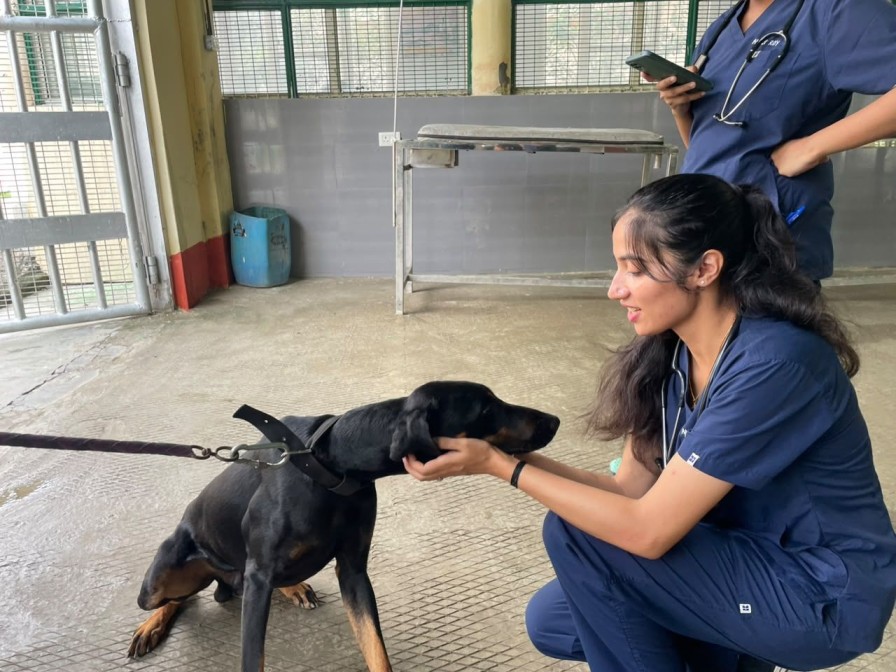
Medicine OPD was the busiest among all four departments with the maximum case load throughout the day. Interns were expected to take a detailed history of the animal, including the previous records and the vital parameters. Followed by CBC and other specific diagnostic tests such as the SNAP Kit test for various blood parasites, was a common practice in IVRI.
The majority of cases involved unvaccinated cats diagnosed with Feline Infectious Peritonitis (FIP), which were provided only supportive therapy and had a poor prognosis for recovery. The mortality rate of cats was on the higher side due to the lack of vaccination and poor management of owners.
Caprine cases were mostly involved with PPR (Peste des Petits) due to lack of vaccination and quarantine, which showed both respiratory and digestive distress. Caprines also came in with thiamine deficiency (polyencephalomalacia) with a history of star gazing and was supplemented with B12 injections.
Dogs mostly were brought in for vaccinations and inappetence. Interns were expected to know the vaccination and deworming schedule along with the brand name, such as Nobivac DHPPi for dogs and Feligen CRP for cats.
An important aspect that could be distinguished was the presence of the dispensary at quite a distance, which made access to emergency medicines such as dexamethasone and atropine cumbersome. Unlike IIVER, most of the hospitals do not have incorporated dispensaries within the premise.
Gynaecology OPD: Learning Through Clinical Cases
Gynaecology was most organised and calmer than other OPDs with minimal case load.
The commonly presented cases include anestrus, insufficient cervical dilation, dystocia, pyometra, and abortion, providing exposure to a range of reproductive challenges encountered in clinical practice.
One of the most distinctive learning experiences during the rotation was ovum collection for research purposes. The procedure was conducted every Saturday, with collections beginning as early as 5:00 a.m.
Although the early morning schedule was demanding, it offered interns exposure to a specialised technique that is important to understand and master as part of advanced reproductive and research-oriented veterinary practice.
Experiencing Campus Life
.jpg)
The internship rotation was not limited to the clinical practice. Interns actively participated in the ongoing cultural events and stood out. During the Janmashtami celebration, students of IVRI Bareilly hosted our students, and it was a memorable event with good food.
Something worth mentioning was the food. This culture of having a dedicated mess for each state, mostly our interns dined in the Karnataka and Pant Nagar mess, food was amazing and very nutritious.
While campus visit, we also experienced their anatomy museum with number of skeletal frameworks of multiple animals including camel, tiger and birds.
Along with this, interns were actively involved in social gatherings such as Potluck, which was hosted by IVSA-Bareilly, in which each student group brought something they cooked, such as egg salads, pasta, fruit punch, and salads. Accompanied by game nights and intellectual discussions. This was a memorable and interactive session.
Building Connections Beyond the Classroom
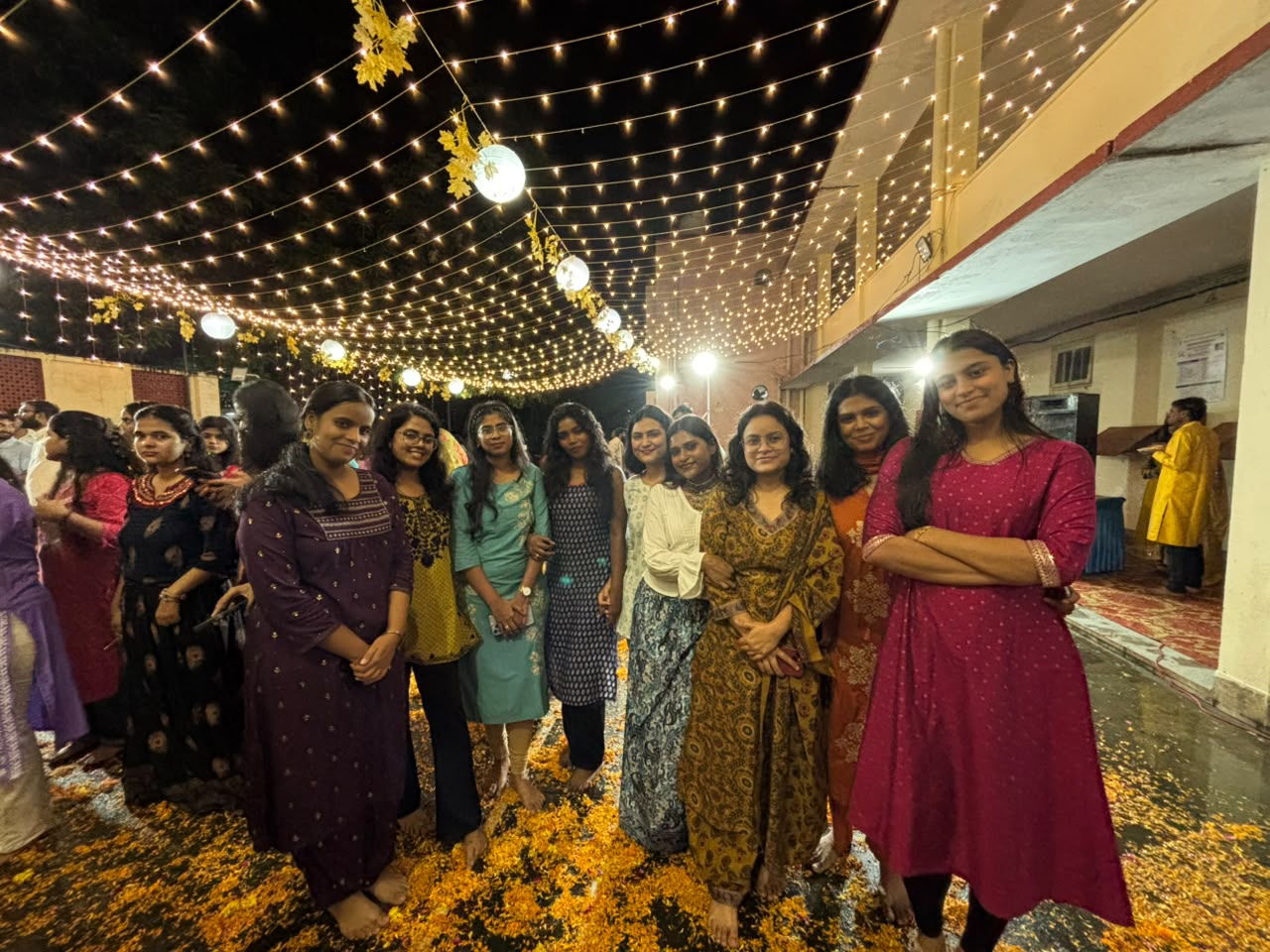
Another aspect that stood out during the internship was the recognition IIVER students received through their networking and online presence. Being active on platforms such as LinkedIn, Instagram and YouTube has helped many students build professional connections before arriving at IVRI, and this made it easier to connect with and be recognised by students and interns from different backgrounds.
This experience reflected another aspect of IIVER's contribution to students' development. Alongside veterinary education, opportunities to build communication, networking and professional branding skills contribute to their overall growth and help them engage more confidently within the wider veterinary community.
Conclusion
The IIVER internship rotation at IVRI was more than an opportunity to gain clinical exposure. From handling real cases across different departments and observing specialised techniques to experiencing a diverse campus environment and building connections with students from different parts of the country, the rotation offered learning beyond the conventional classroom setting.
The experience highlighted how an internship can contribute not only to clinical knowledge, but also to professional confidence, adaptability, networking and a broader understanding of the veterinary field. The combination of classroom learning at IIVER with exposure to an institution like IVRI allowed interns to see veterinary education from a wider perspective and carry those experiences forward into their professional journey.
For veterinary students, every new environment brings an opportunity to observe, learn and grow. Experiences such as these help students understand that professional development extends beyond textbooks and clinical procedures, it also comes from the people we meet, the environments we adapt to and the experiences we carry forward.

.jpg)