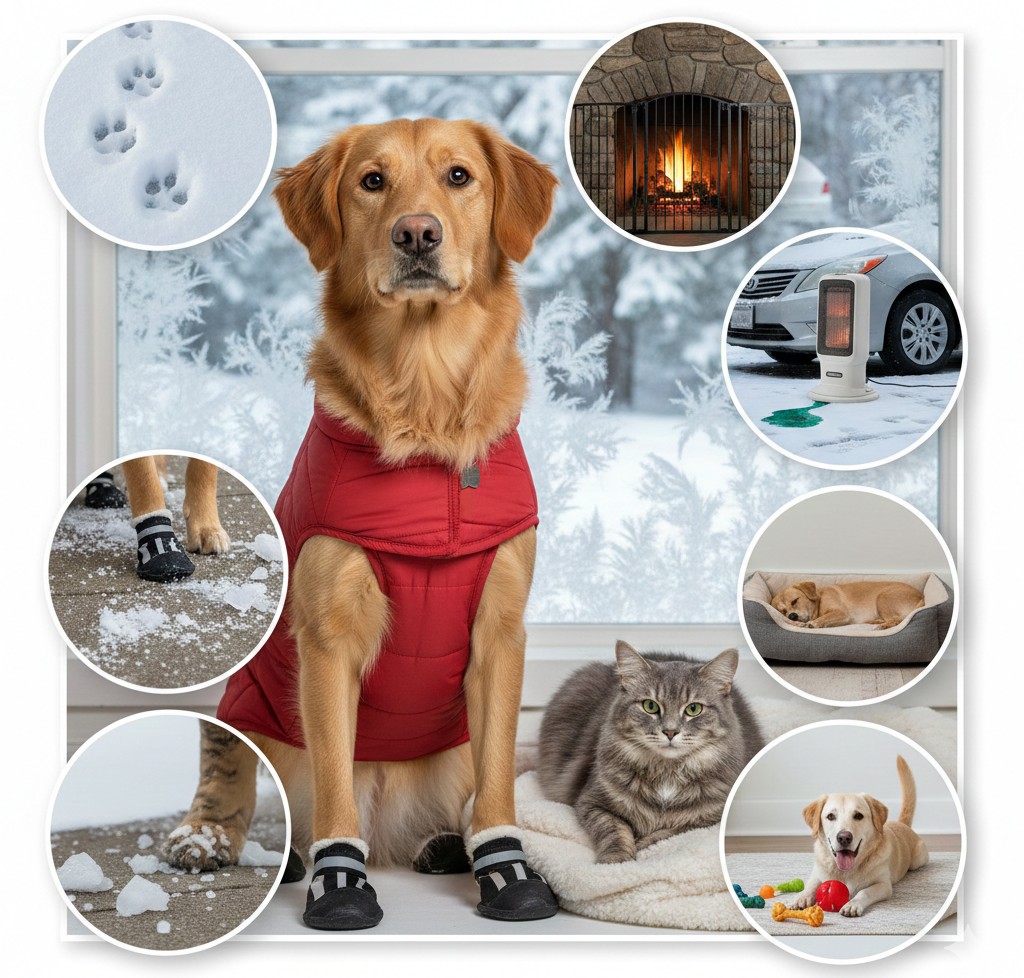

Winter brings crisp air, quiet walks, and cozy moments indoors. However, for dogs and cats, this season also comes with specific health and safety risks. Every year, veterinary clinics report a noticeable rise in emergency cases linked to cold weather conditions. Below are five of the most common and serious winter hazards seen by veterinarians, along with practical and reliable measures to help keep your pet safe, comfortable, and healthy until the arrival of spring.
Hypothermia and Frostbite (Extreme Cold Exposure)
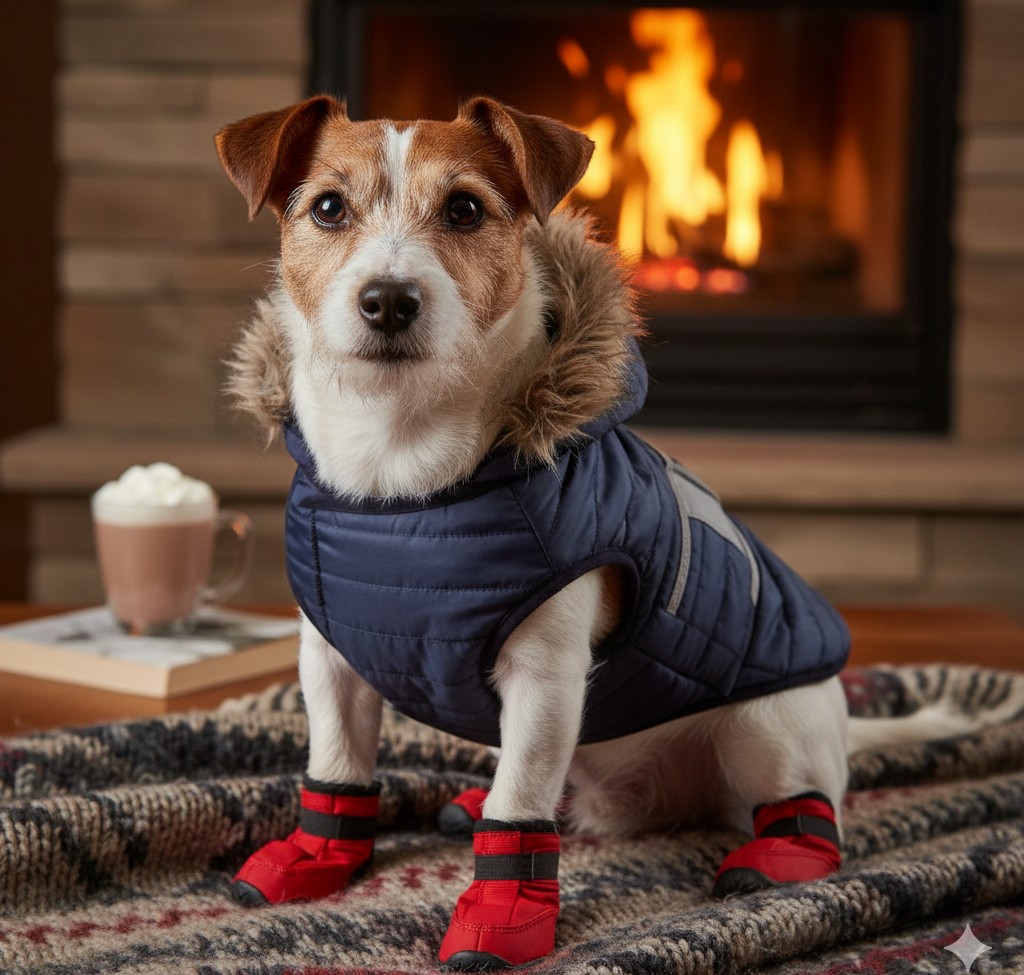
The most significant winter risk is often exposure to cold temperatures. Dogs and cats, particularly short-haired breeds, small-sized pets, senior animals, and very young puppies or kittens, lose body heat quickly. Prolonged exposure can lead to hypothermia, a dangerous condition in which body temperature falls below normal levels. In extreme cold, pets may also develop frostbite, which commonly affects the paws, ears, and tail.
The Vet’s Advice (How to Avoid It):
- Limit Outdoor Time: If it's too cold for you to stand outside comfortably without heavy gear, it’s too cold for your pet. Dogs should take brief, supervised potty breaks only.
- Invest in Gear: Use waterproof, insulated booties and warm coats for breeds with thin or short coats.
- Check Shelters (If Applicable): If you care for outdoor or feral cats, ensure their shelters are insulated, elevated off the cold ground, and feature dry straw bedding (not blankets, which absorb moisture and freeze).
Antifreeze Poisoning
Antifreeze (ethylene glycol) is one of the deadliest and sneakiest winter toxins. It has a sweet taste that pets find appealing, and even a small amount,a few licks from a garage floor spill,can cause acute, often fatal, kidney failure. This risk is highest in winter when car fluids are most likely to leak.
The Vet’s Advice (How to Avoid It):
- Immediate Cleanup: If you see any fluid leaks in your garage or driveway, assume it’s toxic and clean it up immediately with absorbent material.
- Use Pet-Safe Products: Consider switching to propylene glycol-based antifreezes, which are safer for pets (though still require medical attention if ingested).
- Watch for Symptoms: Look for sudden drunken behavior, excessive thirst, vomiting, and lethargy. If you suspect ingestion, seek emergency veterinary care immediately.
Chemical Paw Burns and Ice Damage
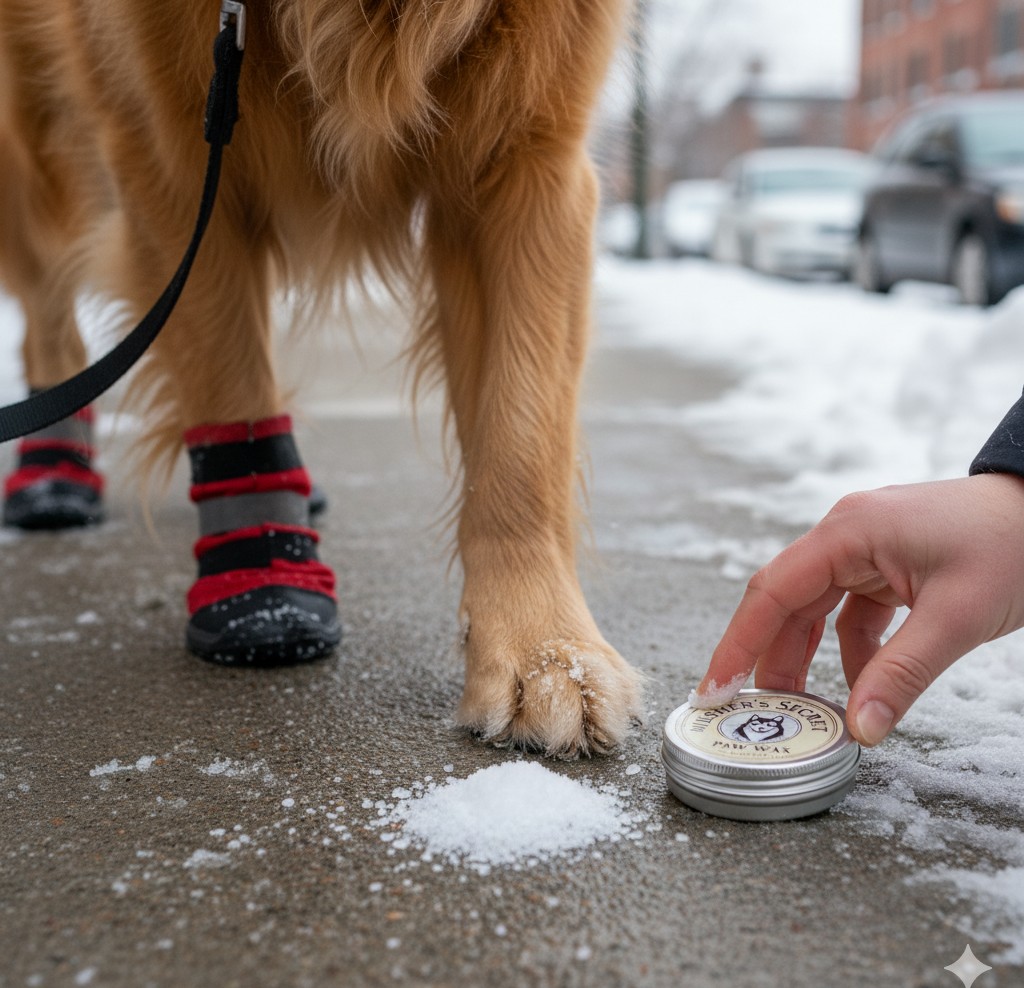
Sidewalk salt (sodium chloride) and chemical de-icers keep paths clear but can wreak havoc on paw pads. These chemicals are abrasive, causing painful burning, irritation, and cracking. If a pet then licks their paws to soothe the irritation, they ingest the toxic substances.
The Vet’s Advice (How to Avoid It):
- Booties or Balm: Use protective paw balms (like Musher’s Wax) before walks, or better yet, use fitted winter booties.
- The Post-Walk Ritual: Immediately after coming inside, rinse your pet's paws thoroughly with lukewarm water and dry them completely. This removes salt and prevents chapping.
- Trim Paw Hair: Keep the hair between the paw pads trimmed to prevent ice balls from forming, which can cause severe discomfort and tearing.
Winter Weight Gain (and the Associated Risks)
It’s tempting to let pets become couch potatoes when the weather is bad. However, reduced activity coupled with a consistent or increased calorie intake leads to weight gain. Obesity exacerbates joint pain (arthritis), reduces mobility, and contributes to other major health issues.
The Vet’s Advice (How to Avoid It):
- Maintain Activity: Schedule indoor playtime (fetch in the hallway, puzzle feeders, or laser pointers for cats).
- Adjust Diet: Talk to your vet about reducing meal sizes or switching to a lower-calorie food during periods of decreased exercise. Remember, those extra winter treats add up fast!
Indoor Heat Source Injuries

While cozy, fireplaces, space heaters, and wood stoves pose a severe risk of thermal burns. Curious pets (especially kittens and puppies) can easily get too close or knock over unstable heaters. Furthermore, indoor fireplaces increase the risk of carbon monoxide poisoning if not properly ventilated.
The Vet’s Advice (How to Avoid It):
- Use Barriers: Install a sturdy, pet-proof gate or screen around all fireplaces and wood stoves.
- Secure Space Heaters: Place space heaters high off the ground or use models with tip-over safety switches. Never leave a pet unsupervised with a portable heat source running.
- Check Alarms: Ensure you have functioning carbon monoxide detectors in your home, especially if you use gas or wood heat.
By taking these proactive steps, from limiting outside exposure to being mindful of indoor toxins and fire risks, you can ensure your pet enjoys a safe, warm, and happy winter season. If you are ever concerned about your pet's health during cold weather, don't hesitate to contact your veterinarian.


.jpg)