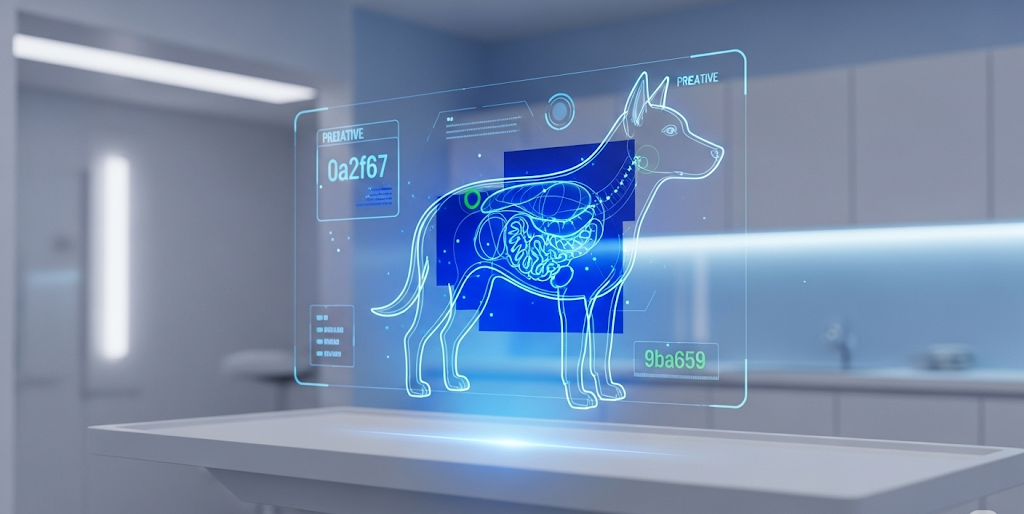

The traditional veterinary clinical model is undergoing a profound paradigm shift. We are transitioning from a reactive "break-fix" approach to a proactive, data-driven methodology defined as Precision Veterinary Medicine. As diagnostic tools become more integrated with artificial intelligence and high-fidelity biosensors, the distinction between advanced medical technology and speculative science fiction continues to blur.
Below, we examine five key technological advancements currently redefining diagnostic accuracy and predictive capabilities in modern veterinary medicine.
Algorithmic Predictive Diagnostics (AI-Driven Prognostics)
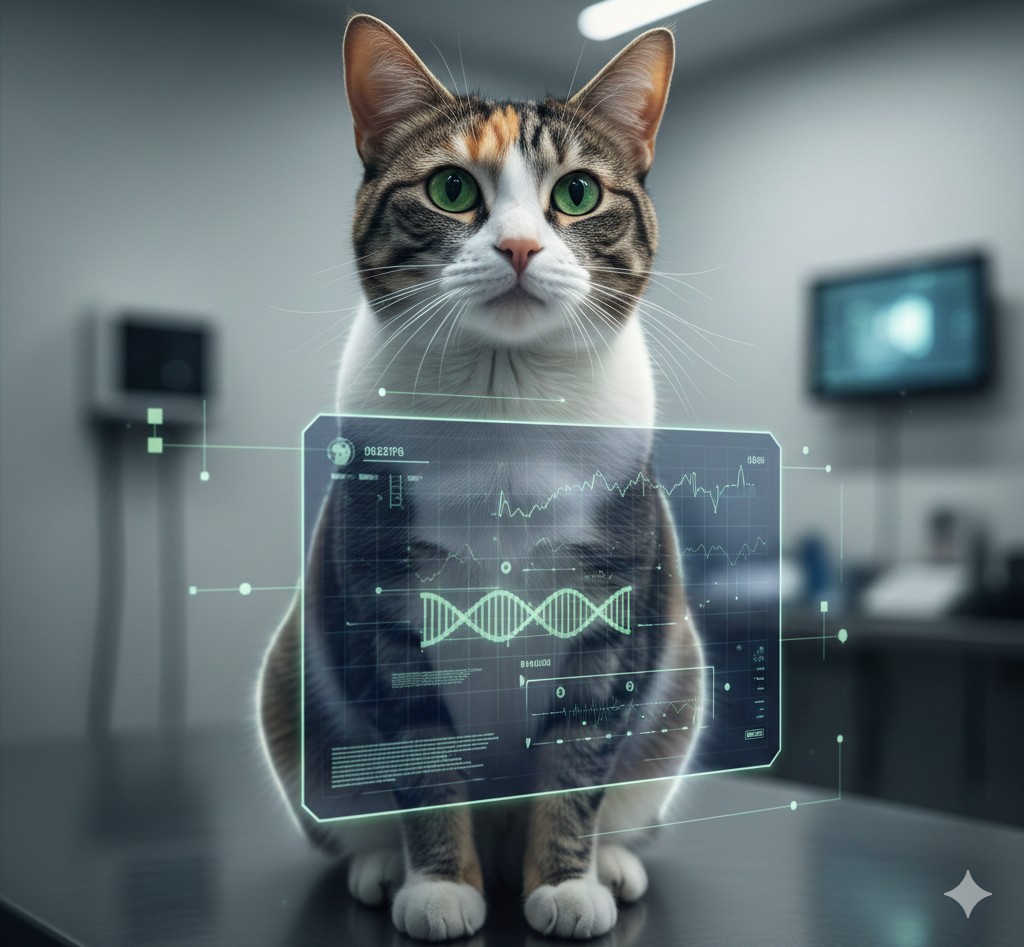
The integration of deep-learning algorithms into electronic health records (EHR) has facilitated a new era of prognostic medicine. By analyzing longitudinal data across millions of clinical cases, AI platforms can now identify subtle physiological shifts indicative of chronic conditions. Notably, current AI models can predict the development of Chronic Kidney Disease (CKD) in feline patients up to 24 months prior to the manifestation of clinical symptoms. Given that significant renal damage, often exceeding 70% ,typically occurs before traditional azotemia is detected, these algorithmic "early warnings" allow clinicians to implement therapeutic diets and pharmacological interventions that substantially extend life expectancy.
Microfluidic Serum Analysis (Point-of-Care Biochemistry)
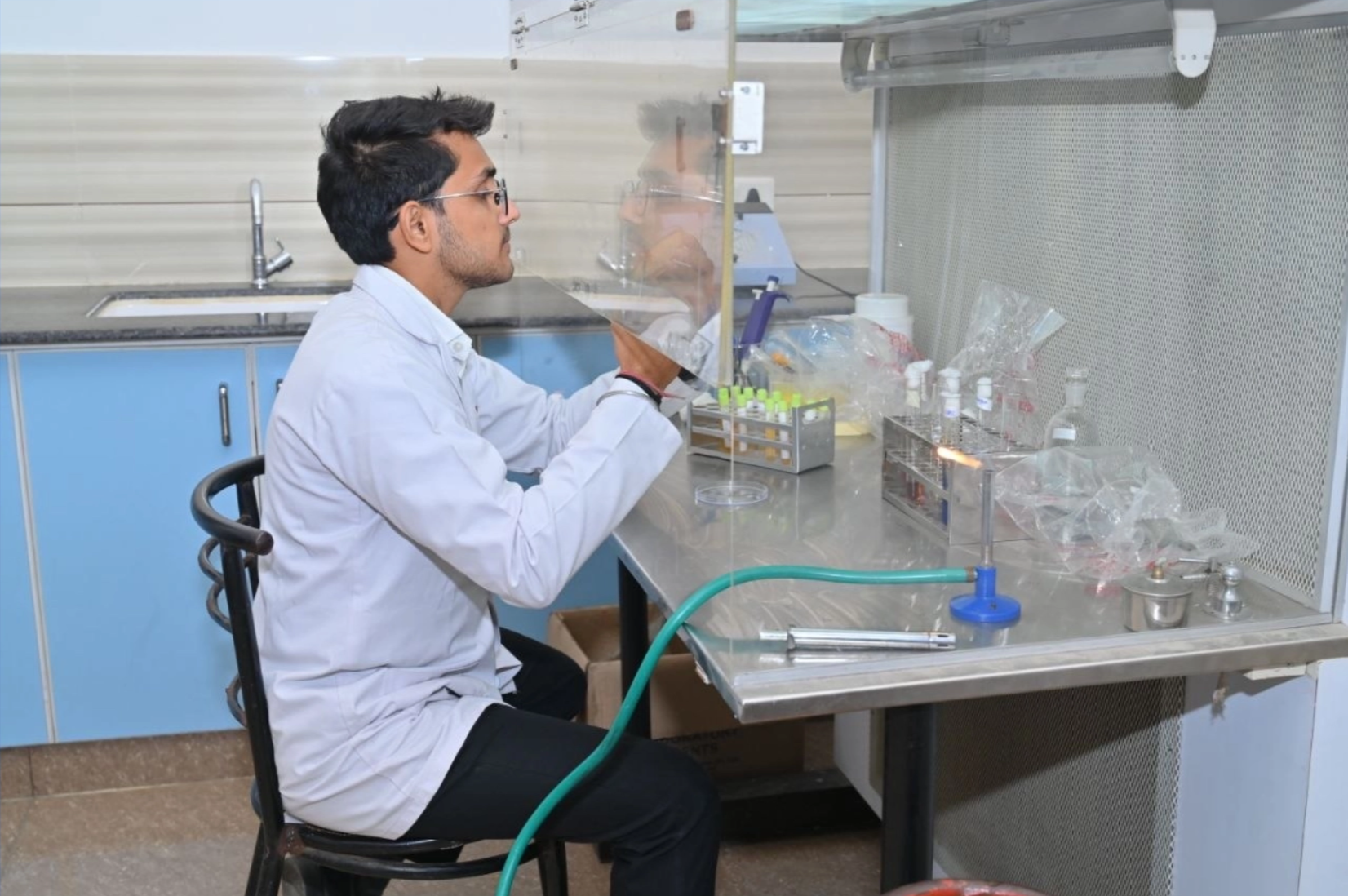
The delay between blood collection and laboratory results often compromises critical care. Centrifugal Microfluidics has effectively miniaturized the central laboratory, utilizing "lab-on-a-chip" technology to process high-accuracy biochemistry profiles from a single microliter of blood.These devices utilize automated centrifugal forces to separate serum and perform complex chemical assays within minutes. For the practitioner, this provides immediate insight into hepatic function, glucose homeostasis, and protein levels, facilitating real-time clinical decision-making during the initial consultation.
Biometric Monitoring and Physiological Baselines
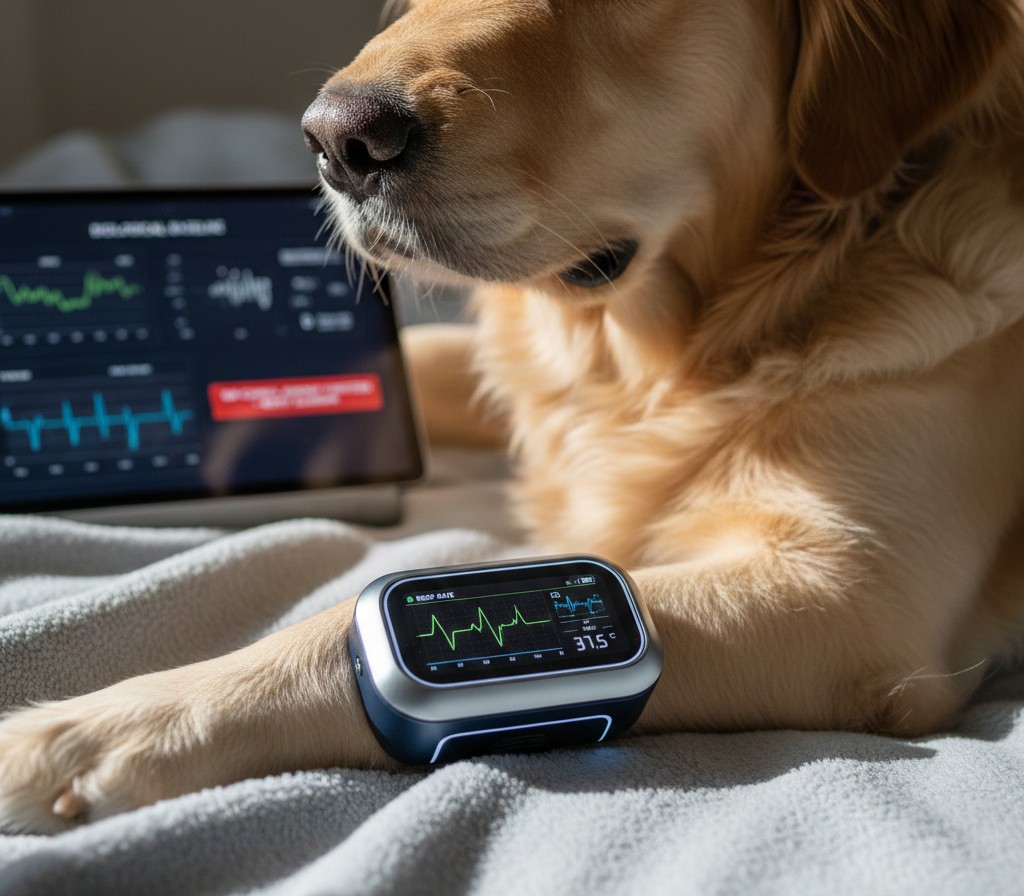
While consumer-grade activity trackers offer basic metrics, the latest generation of professional veterinary wearables focuses on high-resolution biometric telemetry. These sensors monitor resting respiratory rates, cardiac rhythms, and continuous core-equivalent skin temperature. The primary value of these devices lies in the establishment of a "Biological Baseline" unique to each patient. By leveraging AI to monitor deviations from this norm, the system can detect pyrexia or respiratory distress at sub-clinical levels, notifying the clinician or owner of potential infection or systemic stress hours before physical symptoms become apparent.
Digital Cytology and Computational Pathology
The diagnostic bottleneck inherent in manual microscopy is being resolved through AI-enhanced cytology scanners. These systems perform high-resolution imaging of fine-needle aspirates and blood smears, utilizing computational pathology to evaluate cellular morphology against an expansive global database.By identifying malignant characteristics or rare hematologic parasites with a high degree of sensitivity, these systems act as a 24/7 digital specialist. This technology reduces the need for external lab referrals, providing rapid, specialist-level insights within the local clinic.
Pre-Symptomatic Biosensing in Population Health
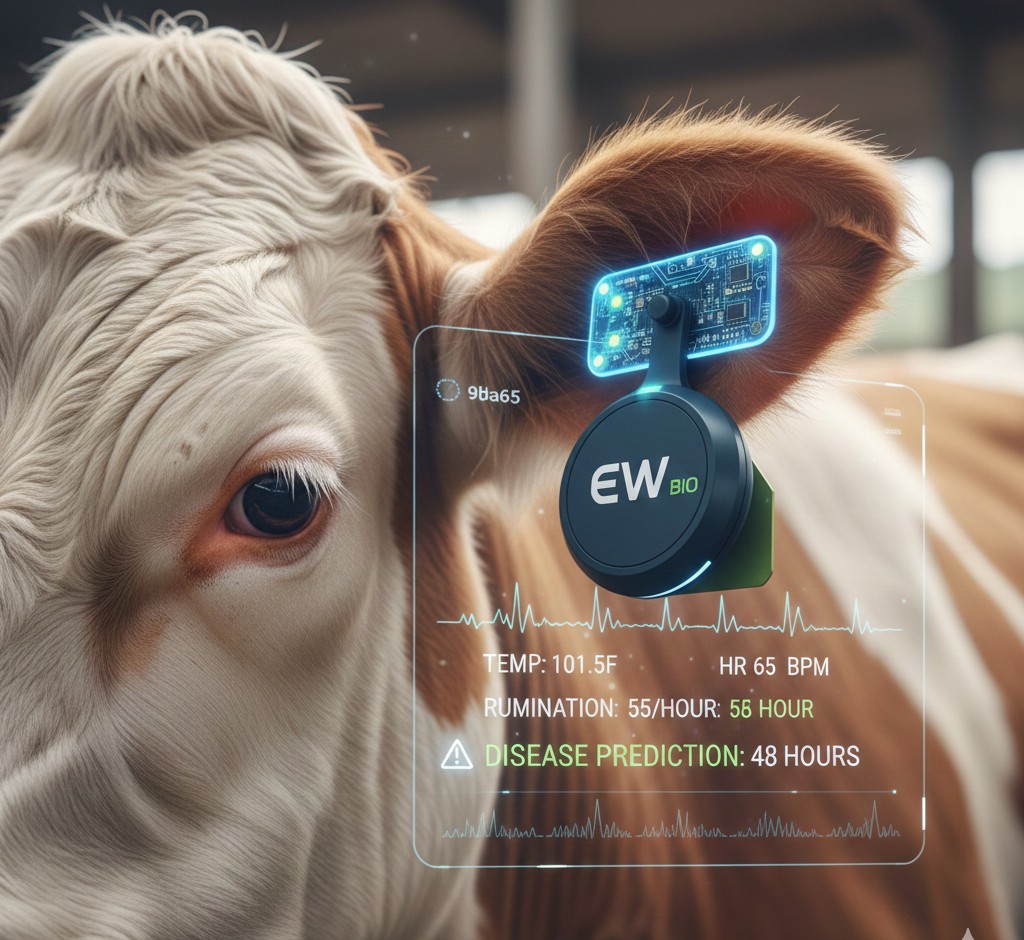
The application of smart biosensors in livestock and large-animal medicine represents the pinnacle of "Early Warning" technology. Subdermal patches and smart ear tags monitor rumination patterns and internal vitals to predict disease outbreaks, such as bovine respiratory disease or mastitis,48 to 72 hours before the onset of clinical illness. This predictive window allows for targeted, individual-animal intervention, significantly reducing the necessity for mass-antibiotic administration and preserving the overall health of the herd through precise, pre-symptomatic isolation.
Conclusion
The convergence of AI-driven pattern recognition, instant microfluidic analysis, and continuous biometric monitoring is fundamentally altering the trajectory of animal health. We are moving toward a future where "geriatric decline" is not an inevitable mystery, but a series of predictable, manageable physiological milestones. For the modern veterinary professional, these tools do not replace clinical intuition; rather, they augment it, providing the empirical data necessary to intervene earlier, more accurately, and with greater therapeutic success.


.jpg)