
A Groundbreaking Diagnosis at IIVER
We are sharing details of a unique and important veterinary case report published in Veterinary Record Case Reports. This report documents the first-ever observed instance of Aquagenic Urticaria, a rare physical allergy where contact with water triggers an immune response in a Nili-Ravi buffalo in India.
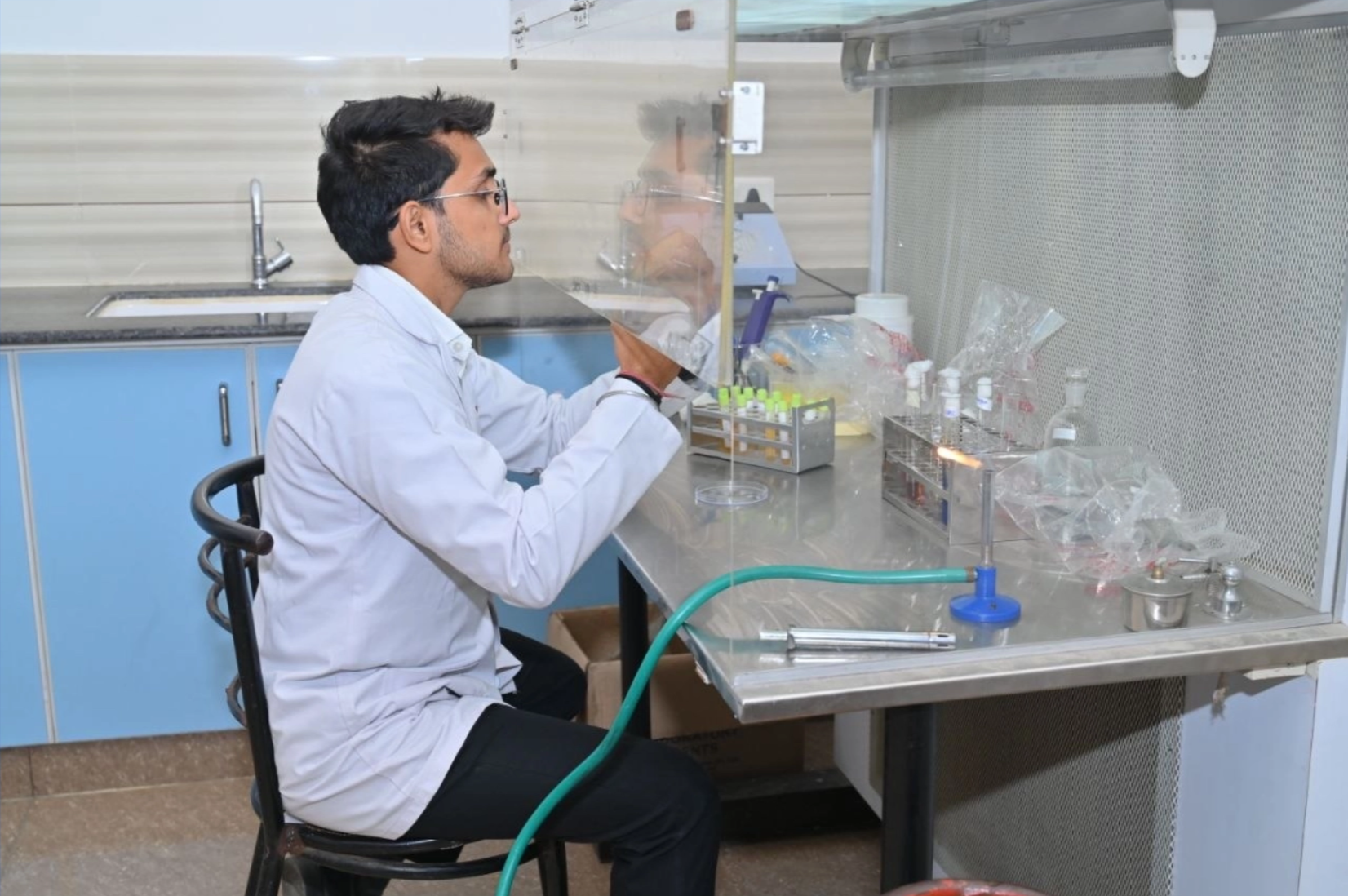
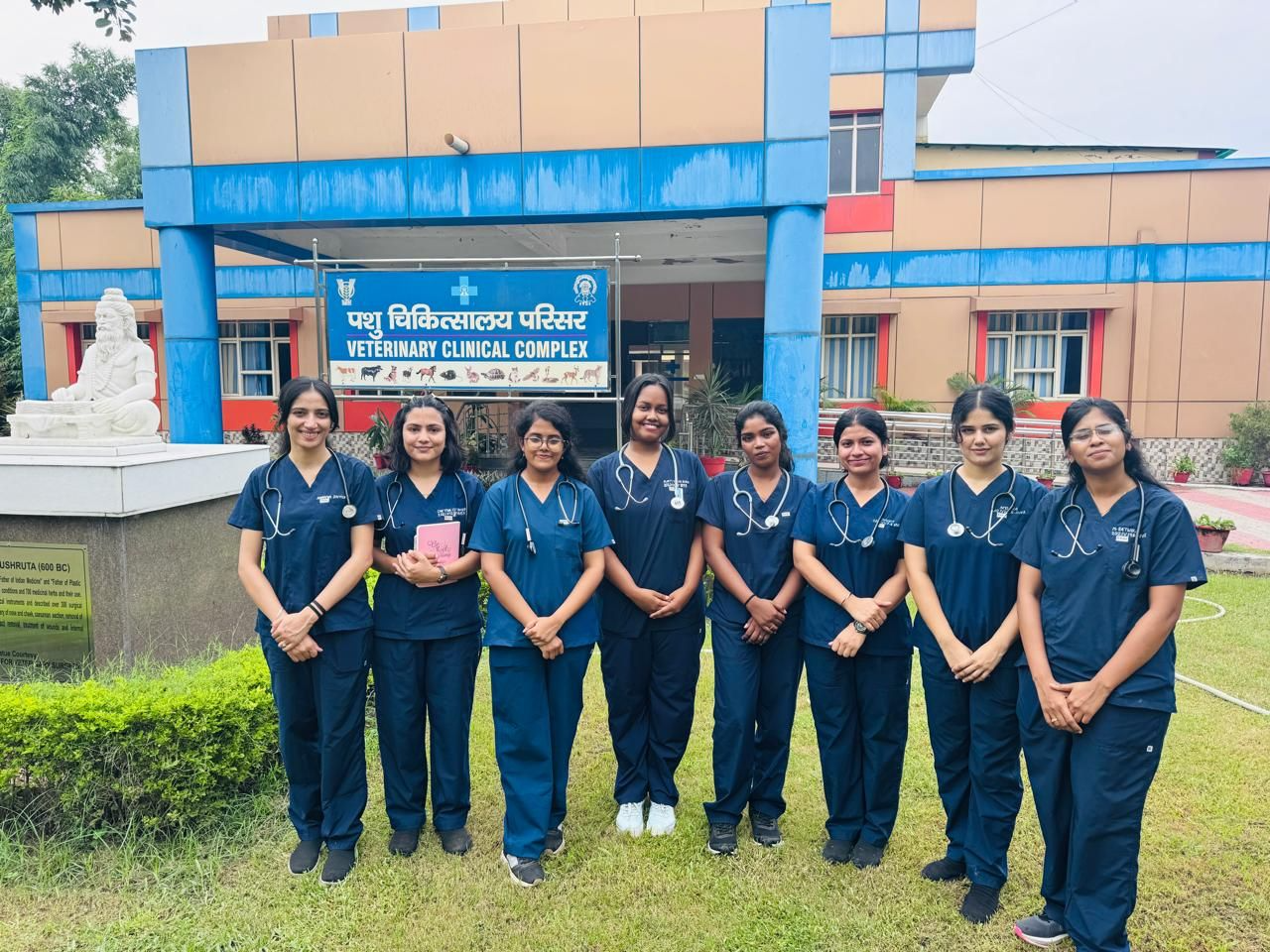
This pioneering work was conducted by a dedicated team of researchers and veterinarians from the International Institute of Veterinary Education and Research, Rohtak: Dr. Annu Yadav, Dr. Ranbir Singh Bisla, Swati Sikha Barik, Himanshu Saini.
The Case: A Buffalo Allergic to Water
Clinical Presentation
The patient was a four-year-old female Nili-Ravi buffalo that presented with a puzzling one-month history of sudden, severe allergic reactions specifically triggered by water contact, regardless of its temperature.
Diagnostic testing confirmed the animal was otherwise healthy; routine hematological and biochemical tests, vital signs, and physical exams (including testing for dermographism) were all normal, helping to rule out common systemic illnesses. However, upon contact with water, the reaction was dramatic:
- Lesions: Severe urticarial wheals (hives) developed quickly on sensitive areas, including the tongue, eyes, hind limbs, and teats.
- Secondary Signs: These lesions were accompanied by marked symptoms such as ocular discharge, conjunctivitis (red eye), peri-ocular edema (swelling around the eyes), and nasal discharge.
The Breakthrough Diagnosis
Due to the unusual history and the unremarkable results of conventional diagnostics, the team suspected aquagenic urticaria.
The diagnosis was confirmed via a water provocation test. The buffalo was bathed with water at a physiological temperature, which immediately and clearly elicited the characteristic wheals and erythema (redness) over the sensitive regions. This positive result, combined with the comprehensive clinical history, led to the definitive diagnosis.
This identification is crucial as aquagenic urticaria is an incredibly rare, poorly understood form of physical urticaria, making this case a significant veterinary milestone and the first reported in a buffalo in India.
Successful Outcome
The buffalo was treated with a regimen of antihistamines (chlorpheniramine) and prednisolone. The response was rapid and complete, with the animal achieving full clinical recovery within just five days of therapy.
Clinical Significance and Learning Points
This case is a vital contribution to veterinary dermatology, underscoring several key points for practitioners and researchers:
- Rarity and Recognition: Prompt recognition of aquagenic urticaria is crucial, as this rare, water-triggered condition can severely affect an animal's well-being and management.
- Diagnostic Strategy: Diagnosis relies heavily on a detailed clinical history of water-induced reactions, confirmed by a controlled water provocation test to trigger the characteristic urticarial lesions.
- Management: Symptomatic management, primarily through the use of antihistamines and corticosteroids, proved highly effective in this case, suggesting that early intervention can lead to a rapid and complete resolution of symptoms.
- Future Research: The condition remains uncommon and poorly understood. Further studies on aquagenic urticaria are essential to elucidate its underlying pathophysiology and optimize long-term treatment strategies, particularly given the impracticality of complete water avoidance for large animals.
Conclusion
In summary, the successful diagnosis and rapid treatment of aquagenic urticaria in this Nili-Ravi buffalo mark a critical advancement in veterinary medicine. It serves as a powerful reminder that rare human conditions can indeed manifest across species, demanding a broad and curious approach to differential diagnosis and sharp clinical observation. This documented case contributes valuable, empirical data to the global understanding of physical allergies in large animals, ultimately improving the capacity for managing the care and welfare of livestock worldwide.

.jpg)