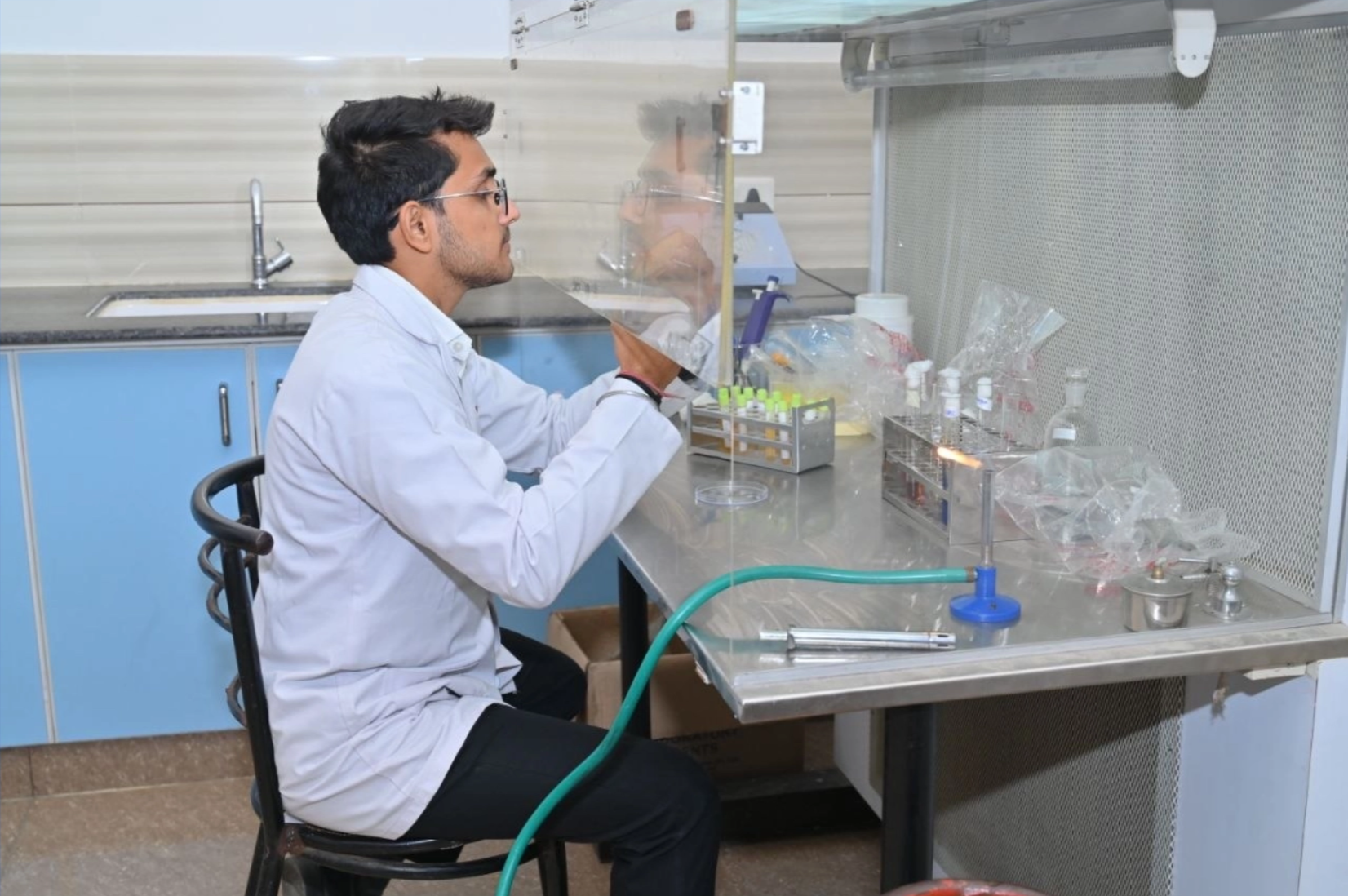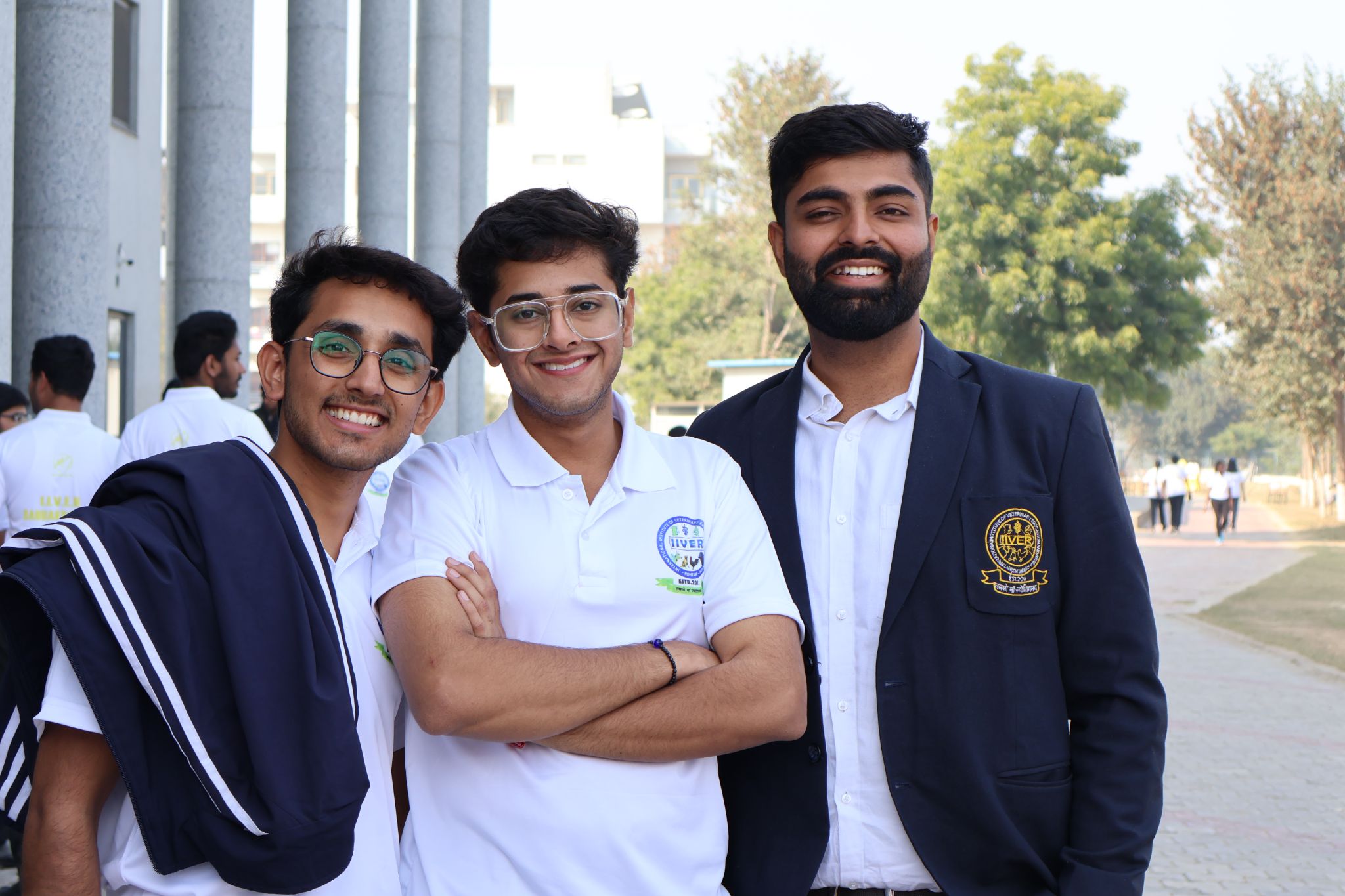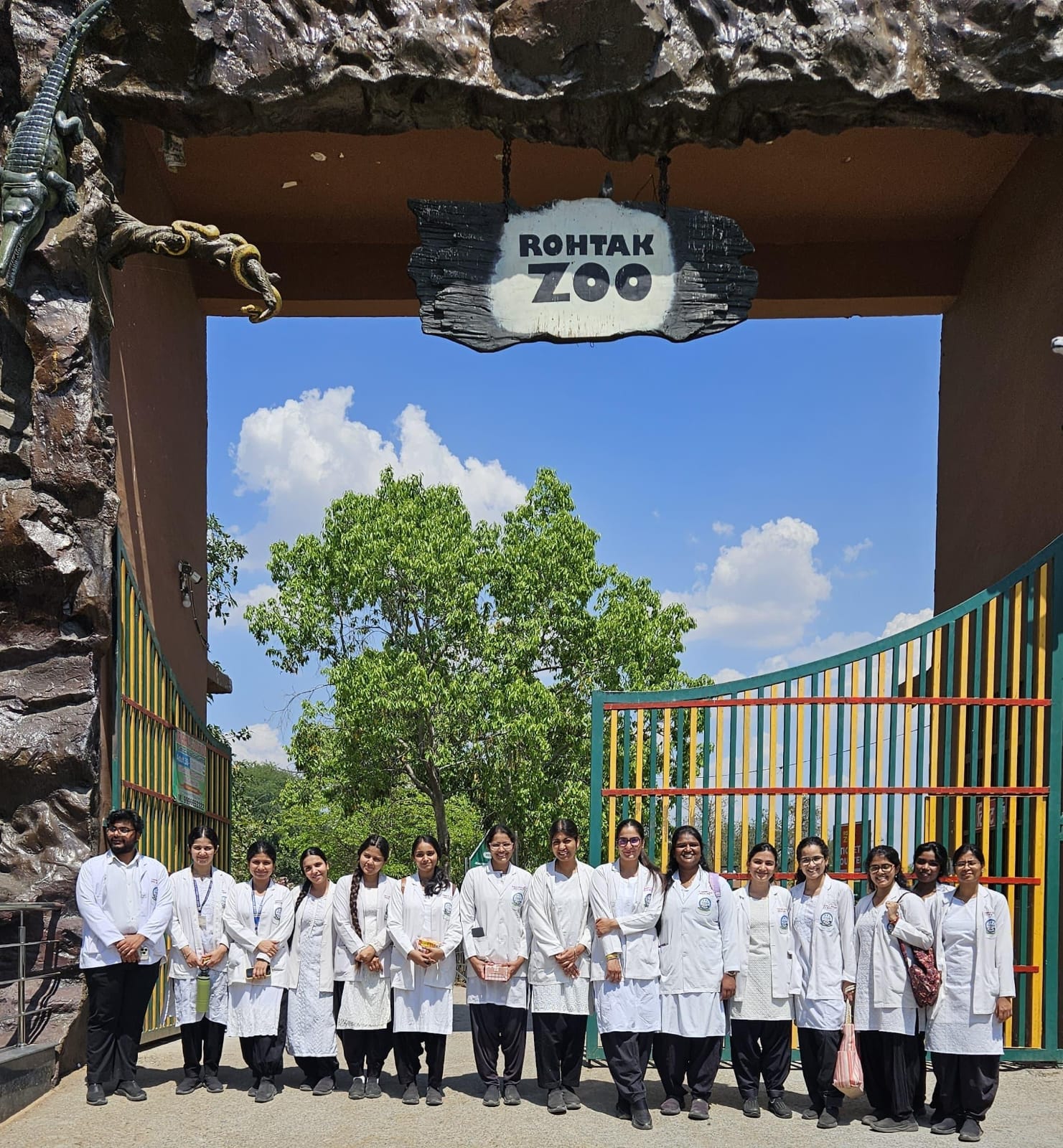

The International Institute of Veterinary Education & Research (IIVER) continues to demonstrate its commitment to pedagogical excellence through immersive field training. On April 6, 2026, fourth-year veterinary students participated in an intensive clinical tour of the Rohtak Zoo (Tilyar). This visit coincided with the facility's strategic transition from a Mini Zoo to a Medium Zoo, providing a unique case study in the scaling of wildlife conservation infrastructure and ex-situ management protocols
Institutional Framework of Wildlife Management
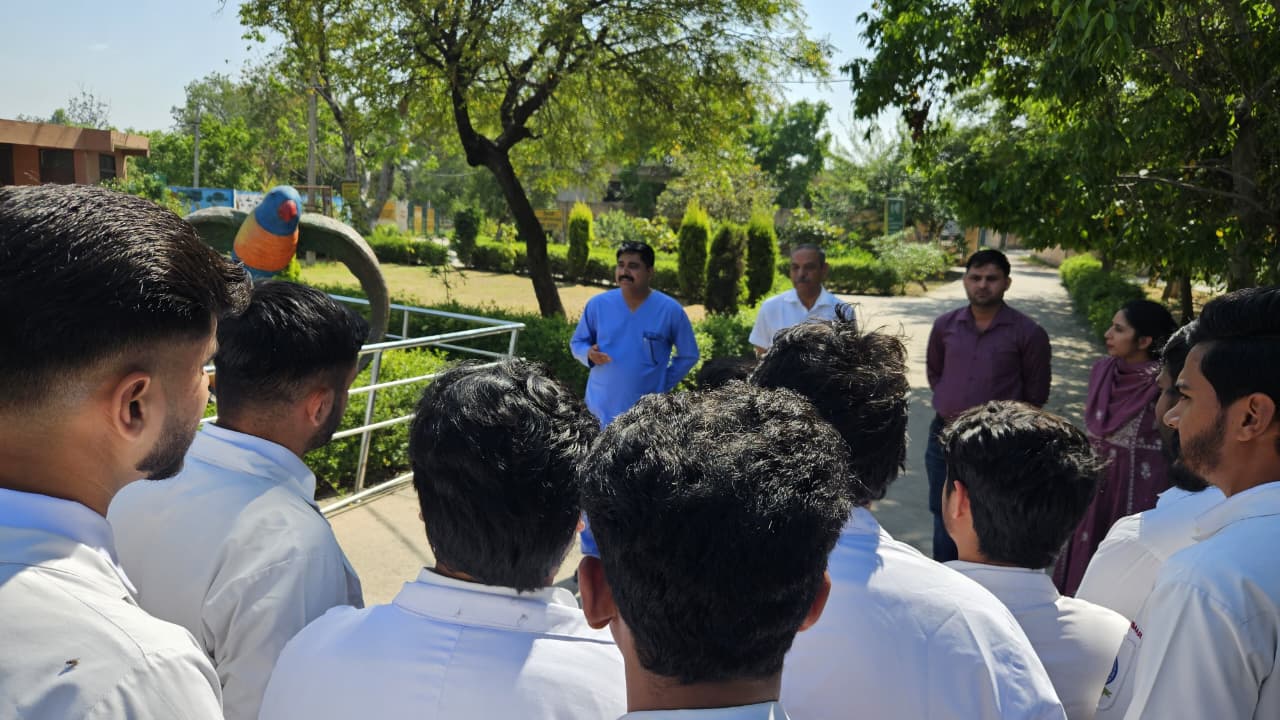
The tour went far beyond regular sightseeing. Students were given a comprehensive walkthrough of the zoo's core functioning. The zoo authorities and wildlife veterinarians detailed the intricate planning required to run a zoological park, introducing students to the core frameworks:
- Collection Plan: Formulating which species to house based on conservation needs and habitat availability.
- Management Plan: Daily husbandry, feeding protocols, and enrichment activities.
- Vaccination & Health Plan: Preventive medicine schedules to keep the captive population disease-free.
Clinical Highlights for Vet Students
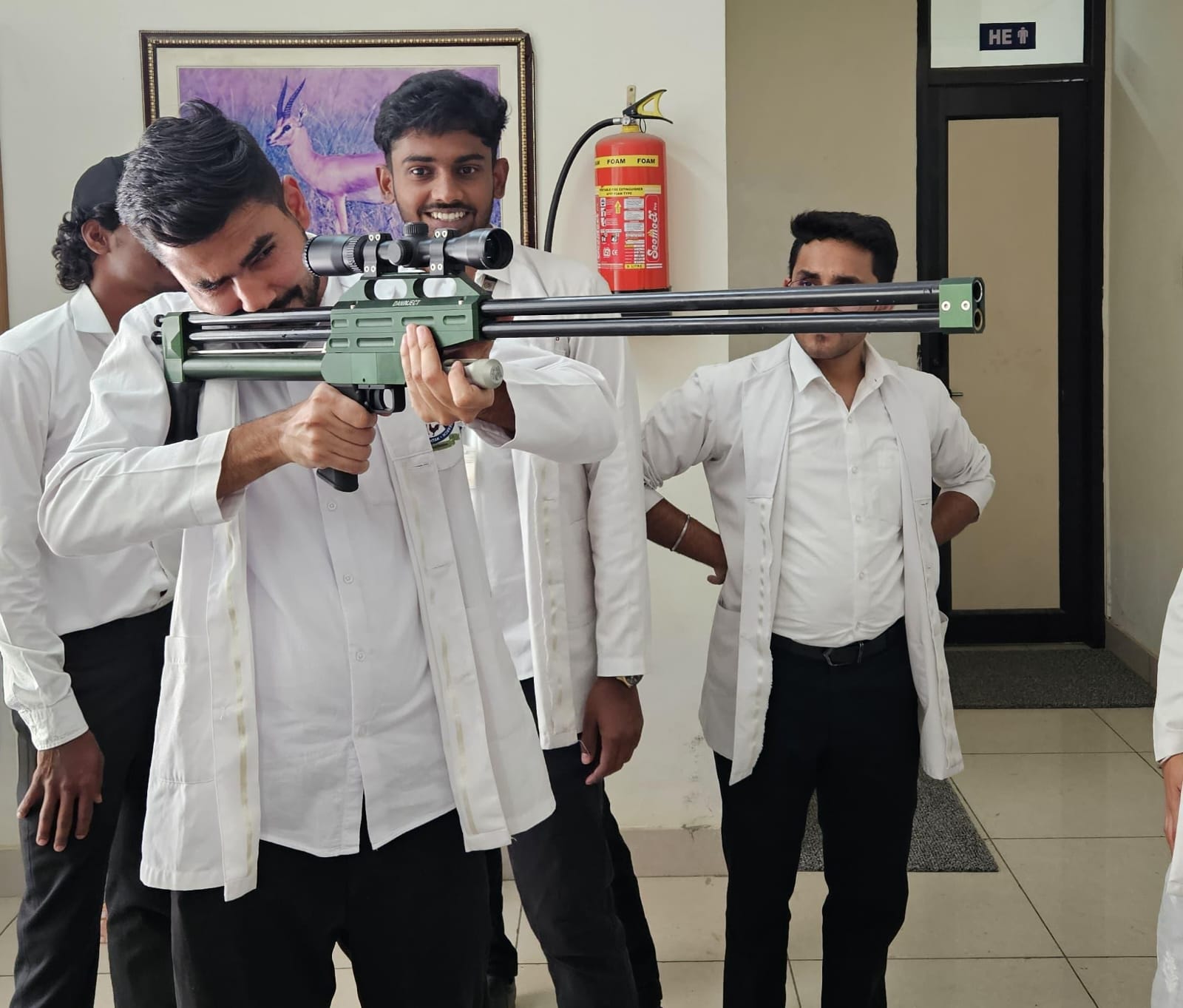
- The Dart Gun: Students received a hands-on demonstration and explanation of darting guns used for remote tranquilization and treatment of wild animals.
- Feline Vaccination Protocol: The students learned the specific vaccination schedule for big cats. For tigers, the first vaccine dose is administered at 60 days of age, followed by a booster after 15 days, and then repeated annually.
- Avian Deworming: An interesting deworming protocol for Ostriches was discussed, involving a strategic rotation of anthelmintics: 1st dose Albendazole, 2nd dose Fenbendazole, and 3rd dose Ivermectin.
Zoological Survey & Species-Specific Biology
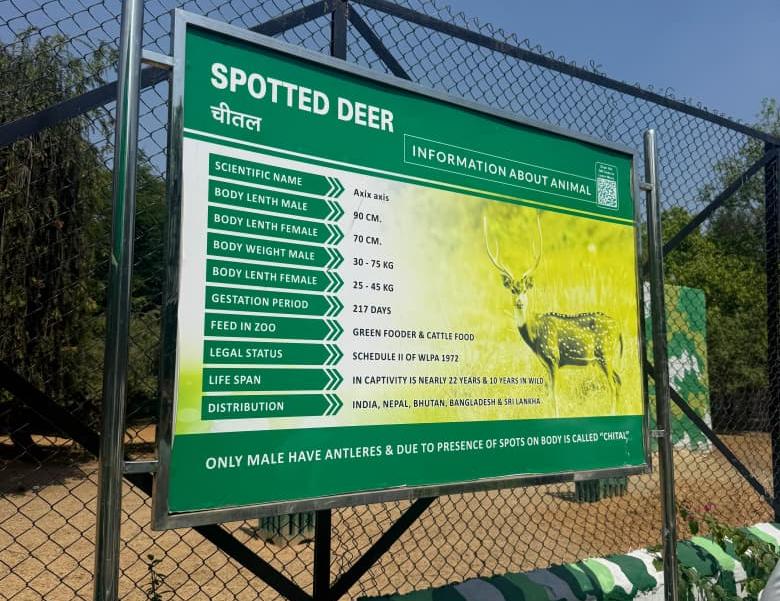
The tour facilitated the observation of diverse taxa, focusing on their scientific classification and unique biological markers:
A. Carnivora and Ungulata
Observations included significant specimens such as hand-raised Tigers (Panthera tigris) and a Lioness (Panthera leo).
- Canids and Hyaenids: Detailed study of the Wolf (Canis lupus), Golden Jackal (Canis aureus), and Striped Hyena (Hyaena hyaena).
- Antilopinae & Cervidae: Chinkara (Gazella bennettii): Analysis of sexual dimorphism through horn morphology; males exhibit thicker, longer horns, while females possess shorter, thinner horns with distinct rings.
- Indian Mouse Deer (Moschiola indica): Notable for the presence of tusk-like upper canines in males rather than antlers.
- Eld's Deer (Rucervus eldii): Known as the "dancing deer," categorized as an endangered species of high conservation value.
- Other Taxa: Himalayan Goral (Naemorhedus goral), Blackbuck (Antilope cervicapra), including albino variants, Chital (Axis axis), and Barking Deer (Muntiacus muntjak).
B. Avian Diversity and Physiology
- Ratites: Struthio camelus (Ostrich) was examined for its physiological adaptations, including a sprint velocity of 70 km/hr and a visual acuity range of 3 km.
- Psittaciformes & Exotic Species: The collection includes the African Grey Parrot (Psittacus erithacus), Green Turaco (Tauraco persa), Rainbow Lorikeet (Trichoglossus moluccanus), Sun Conure (Aratinga solstitialis), and Yellow-crowned Amazon (Amazona ochrocephala).
- Phasianidae: Observation of the Silver Pheasant (Lophura nycthemera), Lady Amherst's Pheasant (Chrysolophus amherstiae), and White Peacock.
C. Herpetological Reproduction and Husbandry
The reptilian section provided insights into Temperature-dependent Sex Determination (TSD). While observing a Mugger Crocodile (Crocodylus palustris) guarding her clutch, the impact of incubation temperature on the sex ratio of offspring was discussed. Other significant species noted were the Indian Star Tortoise (Geochelone elegans), Iguana (Iguana iguana), and various Testudines including the Indian Tent Turtle (Pangshura tentoria) and Red-eared Slider (Trachemys scripta elegans).
Conclusion
The Rohtak Zoo visit bridged the gap between theoretical wildlife medicine and practical field application. From understanding the nuances of remote drug delivery systems (darting) to observing species-specific traits and complex management protocols, our 4th-year students returned to IIVER with invaluable knowledge.
Experiences like these are vital in shaping the next generation of veterinarians who will play a critical role in wildlife conservation and zoo management across the globe!
.jpg)