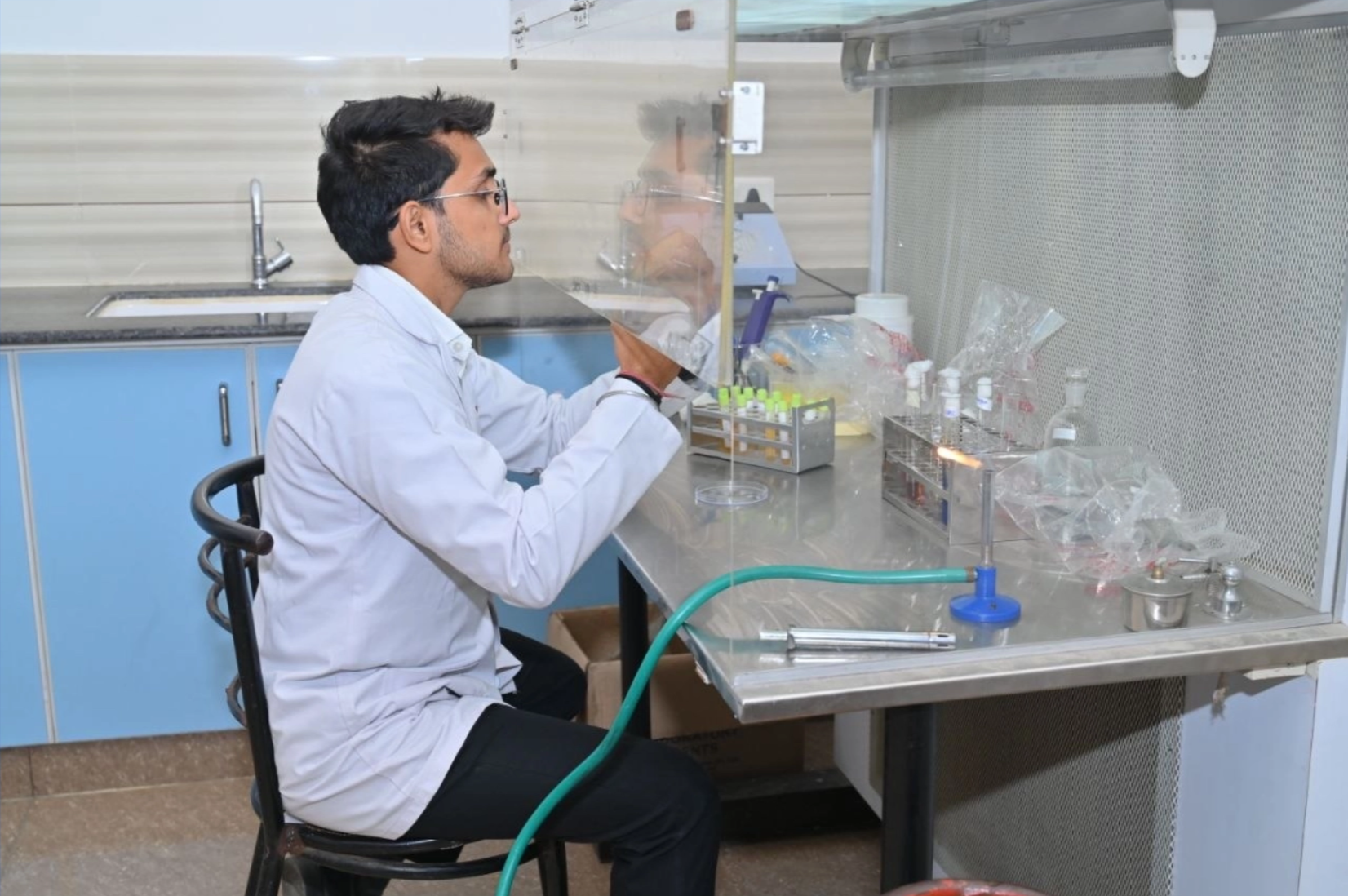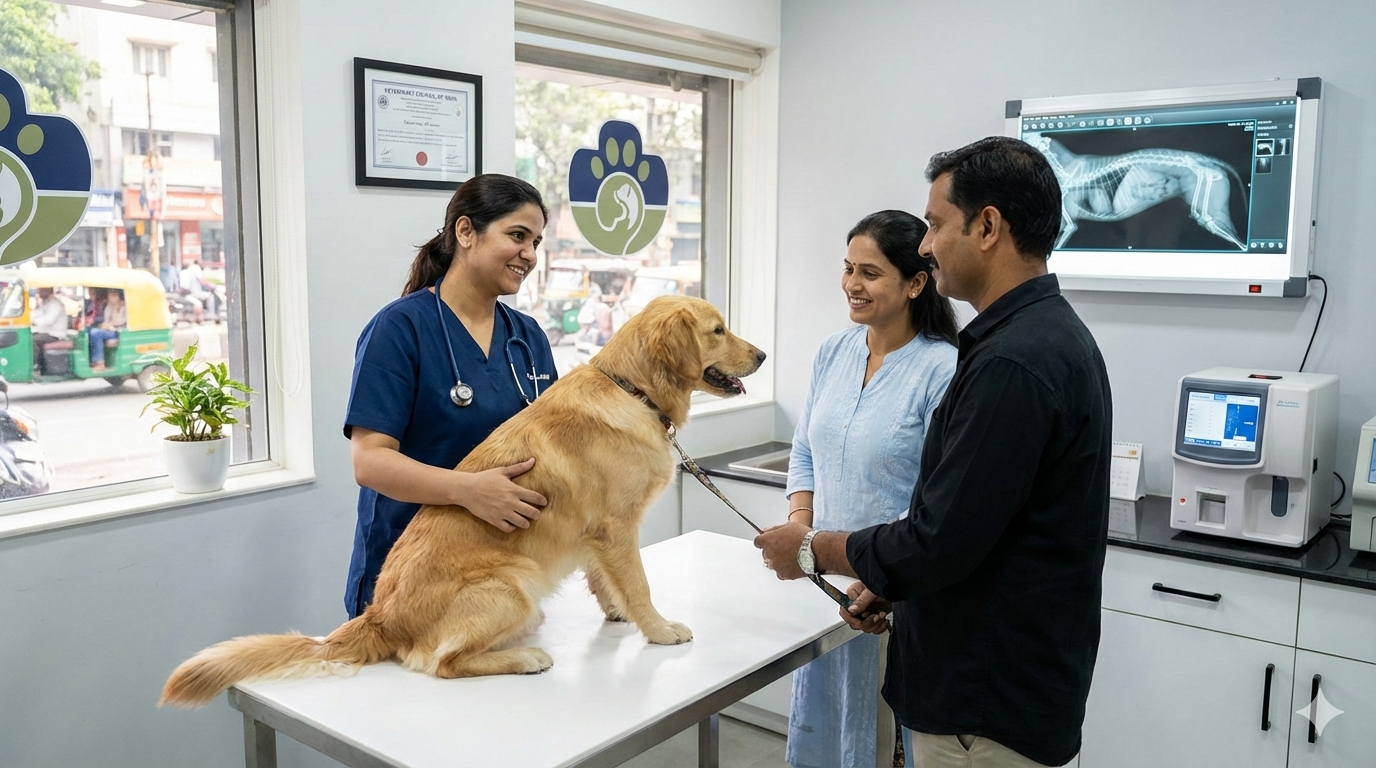

The landscape of pet ownership in India has changed significantly. Pets are no longer kept only for security or utility; they are now considered integral members of the family. As a result, pet owners expect a higher standard of medical care, communication, and professionalism.
For veterinarians, this shift presents a valuable opportunity to establish and grow a successful clinical practice. However, it also requires adapting to rising expectations, improved services, and ethical practice standards.
This guide outlines the essential steps to help veterinarians start, manage, and expand their own clinics in India.
The Roadmap: How to Proceed
Qualifications and Legal Registrations
In India, the foundation of your practice must be legally airtight.
- VCI Registration: You must hold a B.V.Sc & A.H. degree and be registered with the Veterinary Council of India (VCI) and your respective State Veterinary Council.
- Business Entity: Decide if you want to be a Sole Proprietorship (simplest), a Partnership, or a Private Limited Company (better for scaling).
- Local Permits: Obtain a Trade License from your local municipal corporation (e.g., BMC, MCD, BBMP).
- Drug License: If you plan to sell medicines (pharmacy) within the clinic, you need a Retail Drug License from the State Drug Control Authority.
- Waste Management: You must have a contract with a certified Bio-medical Waste Disposal agency. This is a mandatory requirement for clinical establishments in India.
Choosing the Right Location
In India, "visibility" and "accessibility" are essential.
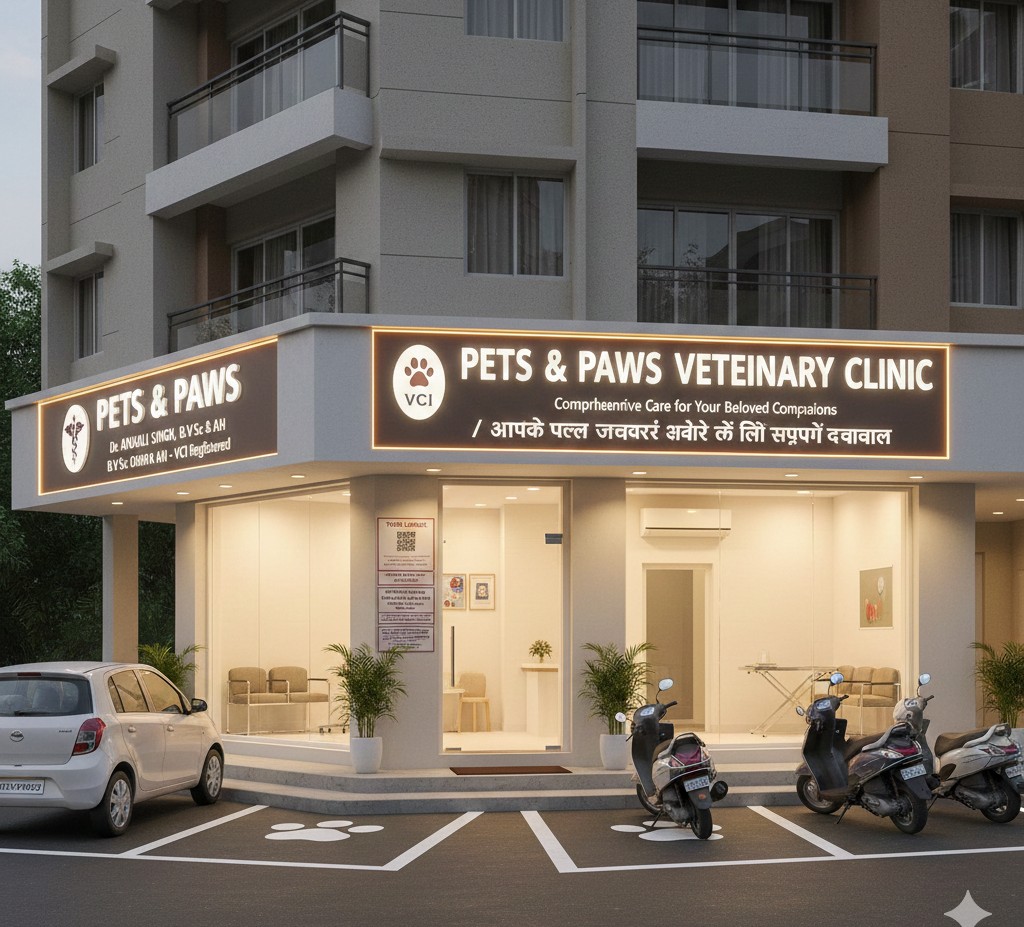
- Catchment Area: Look for residential hubs with high-rise apartments (high density of pet owners) or affluent neighborhoods.
- The "Ground Floor" Advantage: Always prefer ground-floor spaces. It is difficult for owners to carry large dogs or stressed pets up stairs or into small elevators.
- Parking: Even 2-3 dedicated parking spots for cars/scooters can make your clinic much more attractive than a competitor on a busy main road with no parking.
Equipment & Infrastructure
Start with the essentials and scale as you grow.
- Phase 1: Consultation table, high-quality weighing scale, basic diagnostic kit (otoscope, ophthalmoscope), and a refrigerator for vaccines.
- Phase 2: In-house blood analyzers (CBC/Biochemistry) and Digital X-ray. Indian pet parents value "one-stop" solutions and are often willing to pay more for immediate results.
Top Tips for Success
A. Focus on Client Education
In the Indian context, many pet owners are first-timers. They might rely on "WhatsApp University" or neighborly advice.
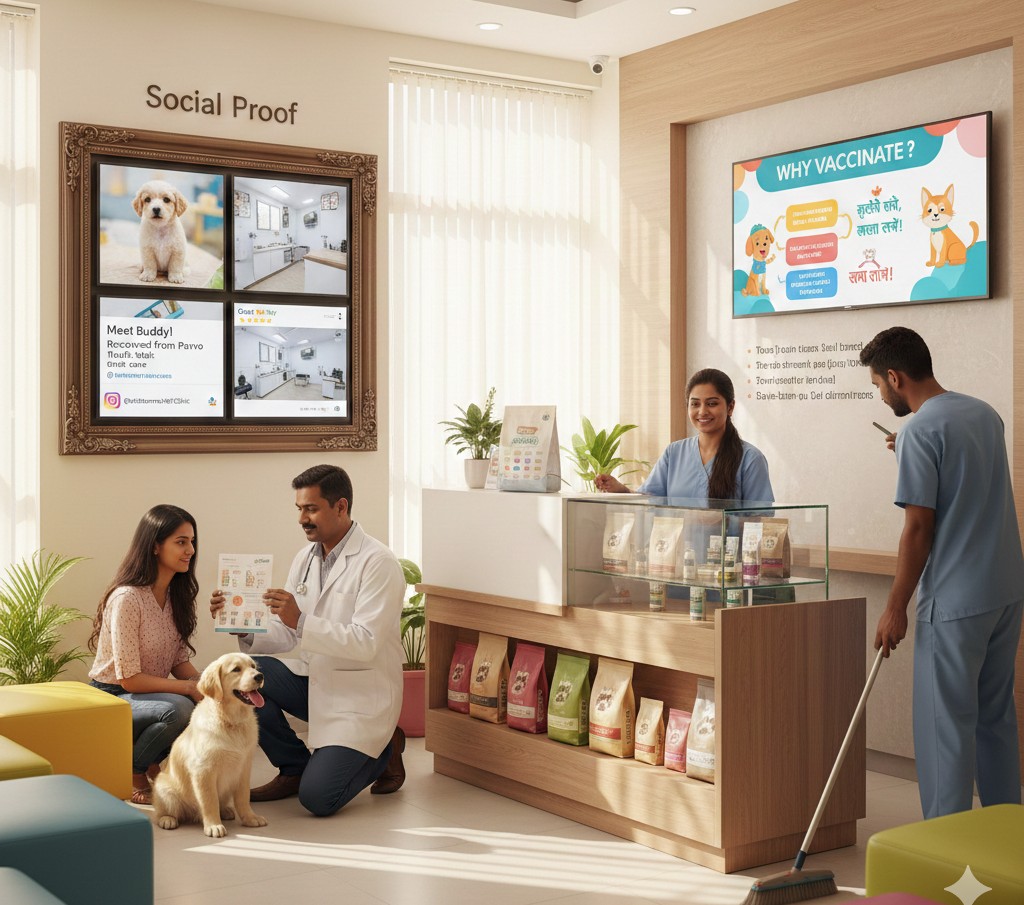
Tip: Spend 5 extra minutes explaining why a vaccine is needed or how a specific food helps. An educated client is a loyal, high-compliance client.
B. Leverage Digital Presence
Most Indian pet owners find their vets via "Google Maps" or Instagram.
- GMB Optimization: Ensure your Google My Business profile has correct hours, high-quality photos of a clean clinic, and active reviews.
- Social Proof: Share success stories (with owner consent) on Instagram. Seeing a happy puppy recover from Parvo builds more trust than any advertisement.
C. Build a Support Team
You cannot be the doctor, the receptionist, and the cleaner simultaneously.
Hire at least one trained 'Paravet' or assistant and one receptionist. In India, the "vibe" of the front desk often determines if a client comes back.
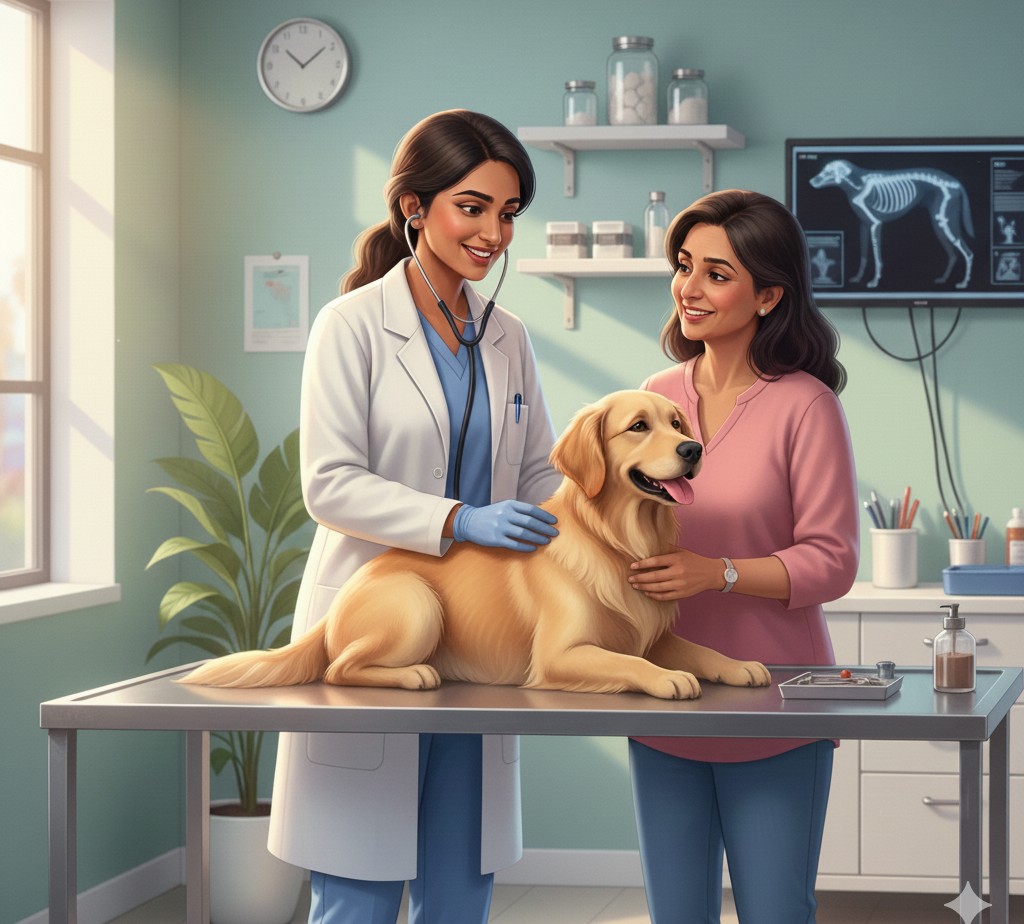
The Winning Ideology: "Compassionate Professionalism”
To be successful in India, your clinic needs an ideology that resonates with the local culture.
The "Family Doctor" Approach
In India, people value relationships. Don't just treat the pet; know the owner’s name. Aim to be the "family vet" who knows the pet’s history by heart. This emotional bond is the strongest barrier against larger corporate chains.
Transparency in Pricing
Medical costs can be a sensitive subject. Always provide a rough estimate before starting a procedure. Hidden costs are the #1 reason for negative reviews in the Indian service industry.
Ethics Over Profit
The "Ethical Edge" is your best marketing tool. Never over-prescribe tests or medicines. In a tight-knit community, word spreads fast about whether a vet is "money-minded" or "animal-minded."
Continuous Evolution
The field is changing. Attend VCI-recognized CMEs (Continuing Medical Education) and stay updated with global standards. Bringing "Western-standard" hygiene and diagnostics to a local Indian neighborhood is a guaranteed recipe for success.
Conclusion
Starting a veterinary clinic in India is more than just a business venture; it is a commitment to the well-being of a community that is increasingly viewing animals through a lens of empathy and love. While the initial hurdles of licensing and infrastructure might seem daunting, the reward lies in the wagging tails, the relieved smiles of pet parents, and the knowledge that you are elevating the standard of animal care in your city.
Success won't come from your equipment alone, but from the trust you build. In the Indian market, trust is the ultimate currency. If you remain a student of science and a servant to compassion, your clinic won't just be a medical facility, it will become a sanctuary. Embrace the journey. The pets are waiting for you

.jpg)