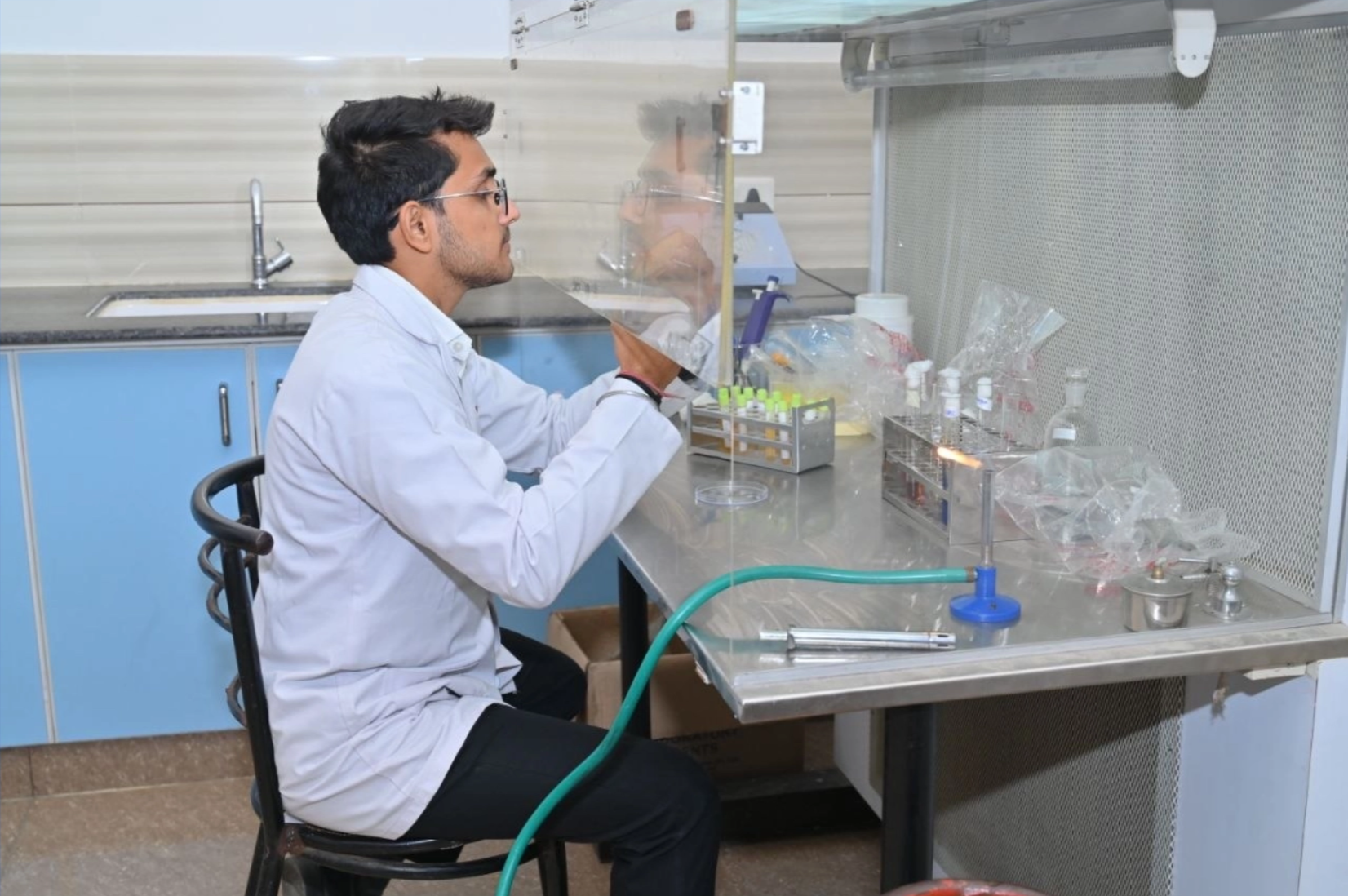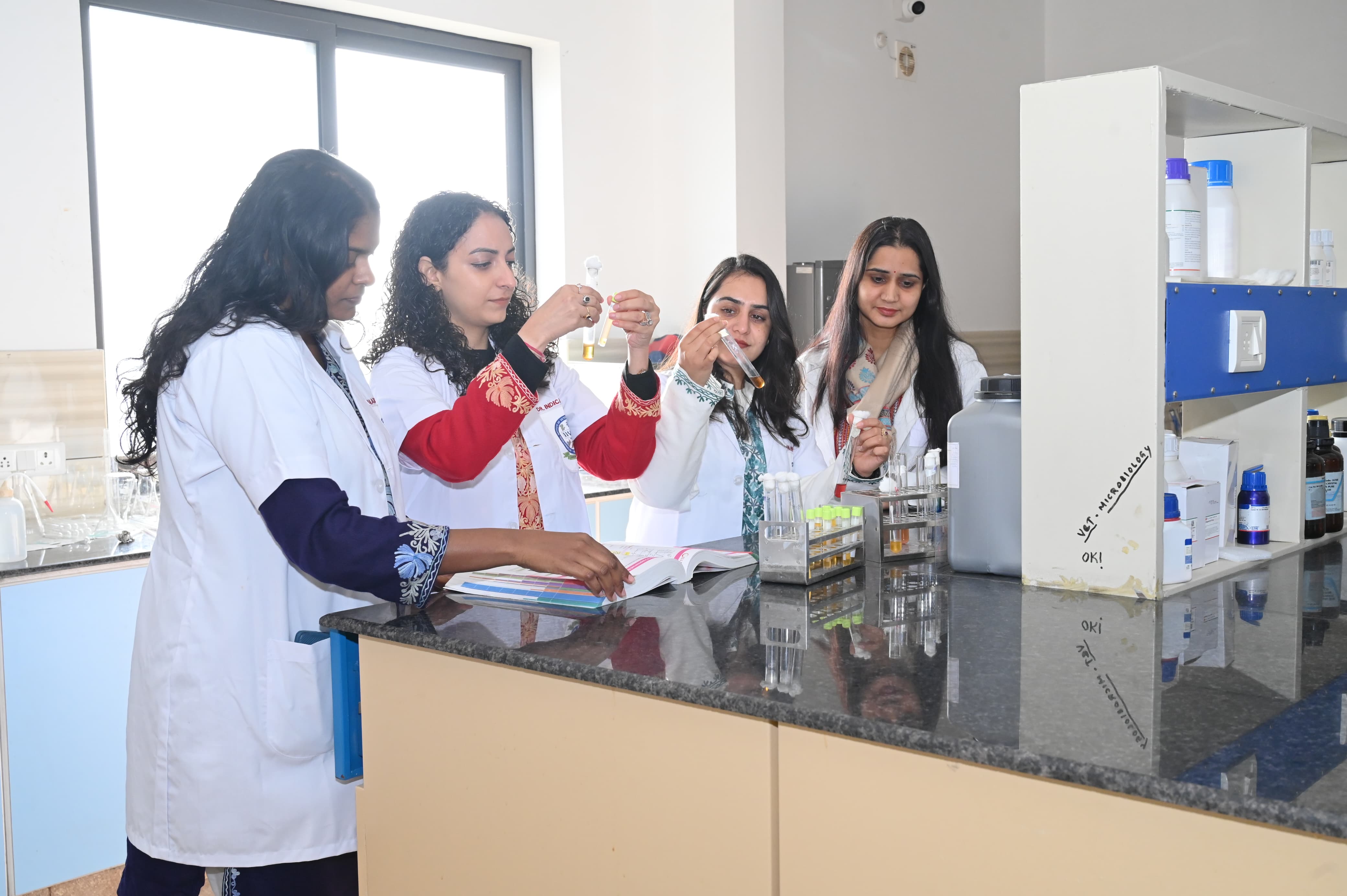

The journey to earning a Bachelor of Veterinary Science and Animal Husbandry (BVSc & AH) degree in India is rigorous, involving intense preparation for competitive entrance exams (like NEET or state/ICAR-specific exams) and five and a half years of demanding study.
A successful veterinary doctor in India must be prepared for a diverse career, whether working in small animal clinics in metros, government livestock sectors, research, or dairy farms. Beyond academic excellence, here are the essential skills you must cultivate to thrive in this rewarding profession.
The Foundation: Communication and Empathy
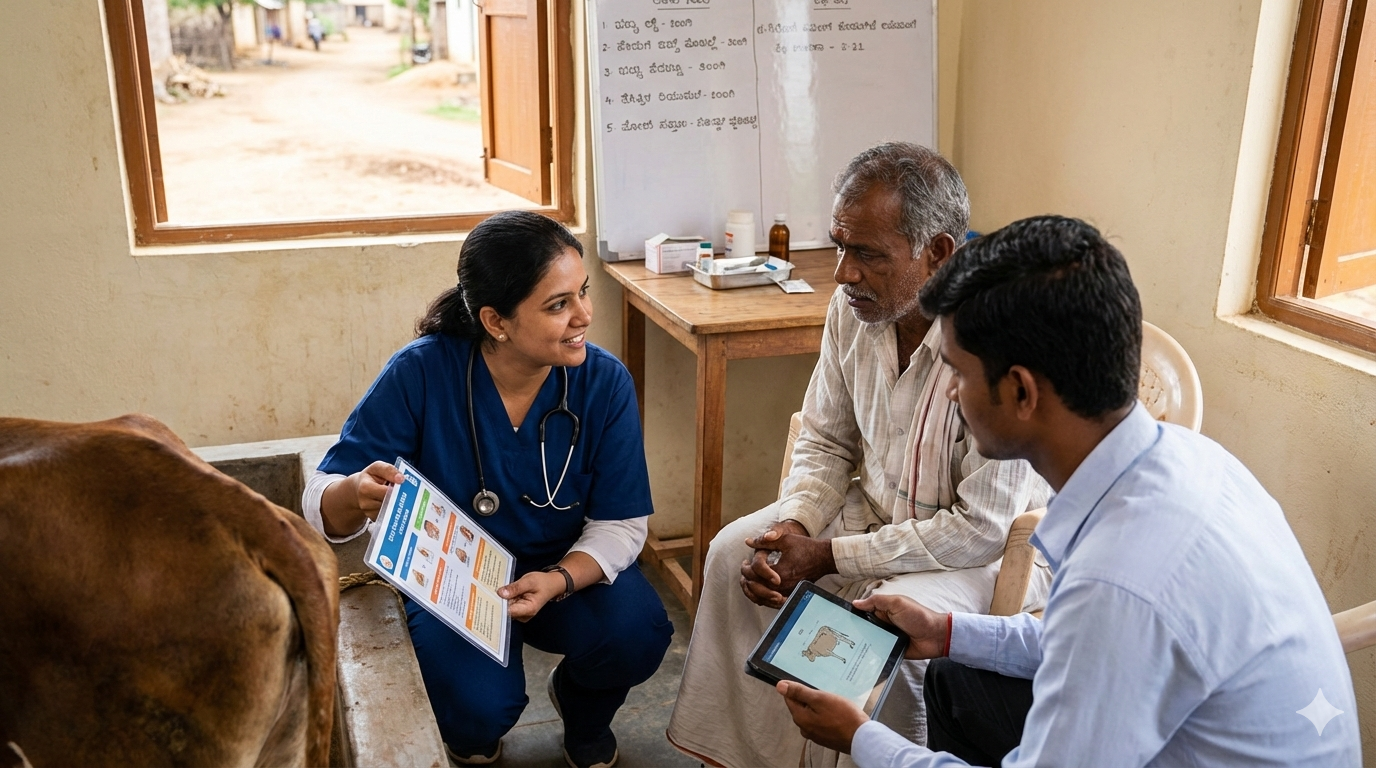
In India, veterinary practice often involves interactions with a highly diverse clientele, from pet owners who consider animals family to rural farmers whose livelihood depends on their livestock.
The Skill
- Effective Communication (Multi-Contextual): The ability to communicate complex medical jargon clearly and simply, often across different regional languages or educational backgrounds. You must build trust with a farmer who needs practical, affordable solutions, and an urban client seeking high-end diagnostics.
- Empathy and Compassion: Demonstrating genuine care for the patient and understanding the socio-economic and emotional value of the animal to the owner. This is crucial when discussing treatment costs, long-term management of chronic illnesses, or herd health decisions.
How to Develop It
- Gain Diverse Field Exposure: Seek opportunities to shadow doctors in various settings: a city polyclinic, a local government veterinary dispensary, and a rural livestock farm. Observe how the doctor manages these varied human interactions.
- Practice Explaining Concepts: Take your toughest science topics from your Class 11/12 curriculum (e.g., animal diseases, genetics) and explain them simply to someone outside the science stream.
- Focus on Active Listening: In India, gathering a patient history can be challenging. Practice asking open-ended questions and patiently listening to the owner’s account—this is often the key to diagnosis.
The Clinical Mindset: Problem-Solving and Scientific Aptitude
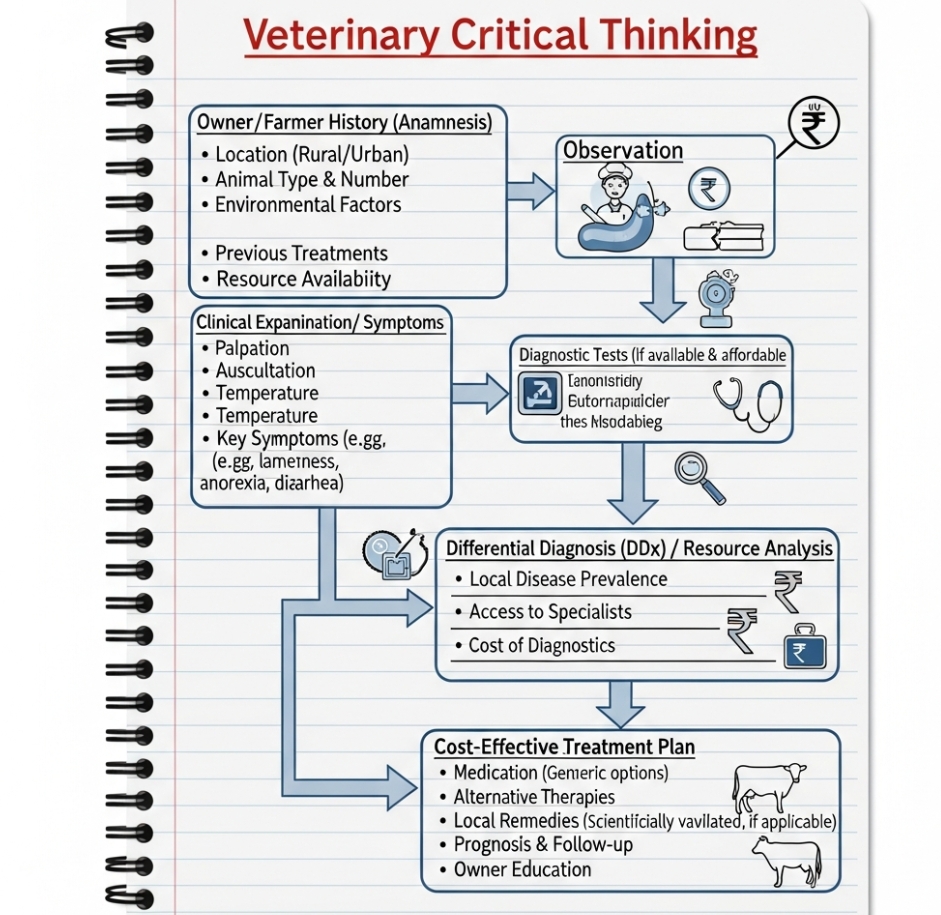
An Indian BVSc & AH curriculum is designed to create well-rounded general practitioners. You must be able to think critically and diagnose across species, often in resource-limited situations.
The Skill
- Strong Scientific Foundation: A deep, rock-solid understanding of Animal Anatomy, Physiology, Pathology, and Pharmacology is non-negotiable. You must be able to understand the pathogenesis of diseases prevalent in tropical climates (e.g., FMD, Haemorrhagic Septicaemia, parasitic burdens).
- Critical Thinking and Analytical Skills: The ability to work quickly with limited diagnostic tools. Since advanced imaging or comprehensive lab work may not always be available (especially in remote locations), you must rely heavily on clinical examination, history, and sharp analysis to reach a differential diagnosis.
- Resourcefulness and Adaptability: The capacity to provide effective care using available local resources, materials, and infrastructure.
How to Develop It
- Master Your Prerequisites: Approach your PCB (Physics, Chemistry, Biology) subjects not just for competitive exams, but for conceptual mastery. Veterinary medicine is applied science.
- Engage with ICAR/University Resources: Utilize online case studies and research papers published by Indian Council of Agricultural Research (ICAR) or various state veterinary universities to understand common regional cases and diagnostic pathways.
- Simulated Scenarios: If you have the chance, work with mentors who provide clinical scenarios where lab access is limited and ask them to challenge your diagnostic approach.
The Practical Edge: Technical Skills and Dexterity
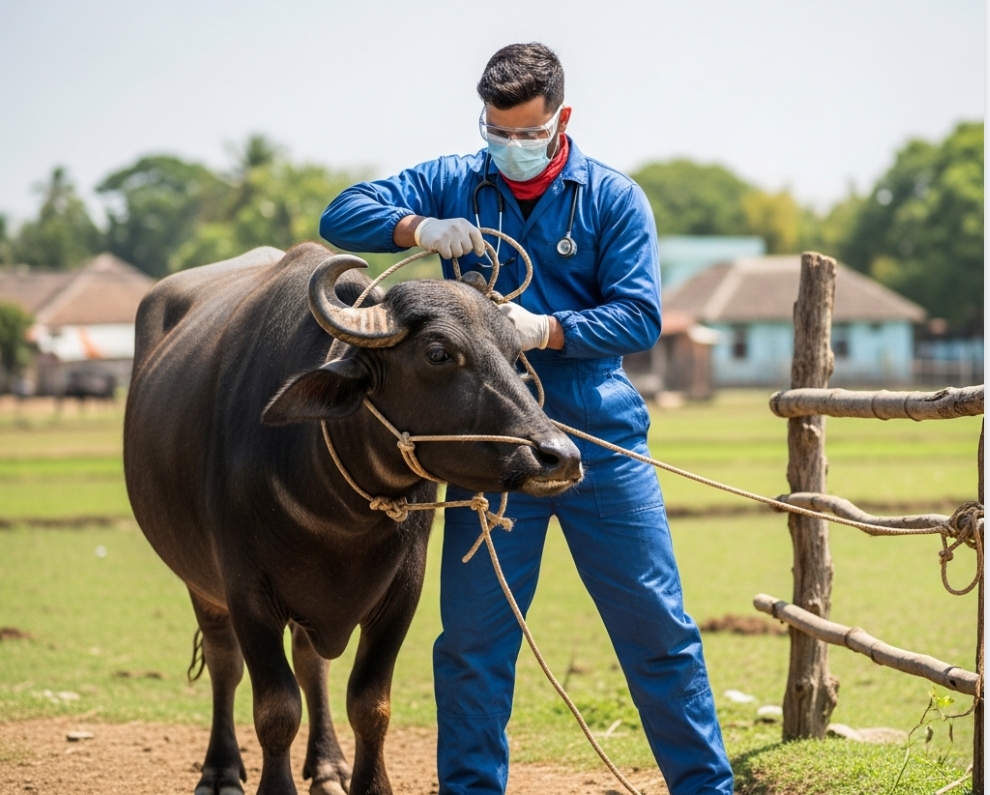
The veterinary profession in India demands a high degree of hands-on ability, especially when dealing with large, sometimes unruly, livestock and a high volume of cases.
The Skill
- Manual Dexterity and Precision: Fine motor skills required for intricate procedures like minor surgeries, suturing, catheter placements, and complex obstetrical procedures, which are routine in the field.
- Safe Animal Handling and Restraint: Knowing appropriate, humane, and culturally sensitive methods to restrain cattle, buffalo, poultry, and companion animals safely for treatment.
- Basic Lab Procedures: Proficiency in collecting and preparing samples (blood smears, faecal floats) for on-site diagnostic testing.
How to Develop It
- Seek Pre-Admission Experience (Mandatory): Vet schools require proof of hands-on experience. Aim for diversity:
- Livestock Exposure: Spend time at a local dairy or poultry farm, or shadow a vet working in a Gau Shala or government farm.
- Small Animal Experience: Volunteer at a private clinic or a shelter like the Blue Cross.
- Non-Clinical Skills: Practice dexterity through hobbies like simple handicraft, model making, or take a first-aid course focusing on bandaging and knot-tying techniques.
- Document Everything: Maintain a detailed journal of your experiences, noting the species, procedure, and your role. This will be invaluable for your BVSc & AH application interviews.
The Resilience Factor: Stamina and Stress Management
Veterinary work is physically demanding (lifting, standing for hours, working in varied climates) and emotionally taxing. Developing resilience is key to avoiding burnout.
The Skills
- Emotional Resilience: The ability to handle the emotional weight of dealing with sick animals and distressed owners, financial discussions, and facing the realities of high-mortality scenarios in large herds or emergencies.
- Physical Stamina: The endurance needed for long hours, sometimes traveling to remote locations, or managing physical labor involved in large animal handling.
- Professionalism and Ethics: Maintaining the highest ethical standards, especially regarding patient care decisions and transparent communication with owners, which builds long-term trust in the community.
How to Develop It
- Develop Physical Habits: Prioritize physical fitness. Running, yoga, or strength training will build the stamina needed for the physical aspects of the job.
- Learn to Debrief: After a difficult experience (in your volunteering or shadowing), practice discussing it professionally with your mentor. Learning to process trauma and stress is a professional skill.
- Focus on Boundary Setting: Practice separating your work from your personal life, a crucial skill to prevent compassion fatigue and ensure a long, healthy career.
Conclusion
By building these skills, you will be well-prepared to not only gain admission to a top veterinary college but to succeed as a compassionate and competent Doctor of Veterinary Medicine, contributing significantly to animal welfare and the crucial livestock sector.
.jpg)